
Vetted Episodes
New episodes are released on YouTube daily at 12pm CST and will be published here and on Spotify within 24 hours. Watch on YouTube now.
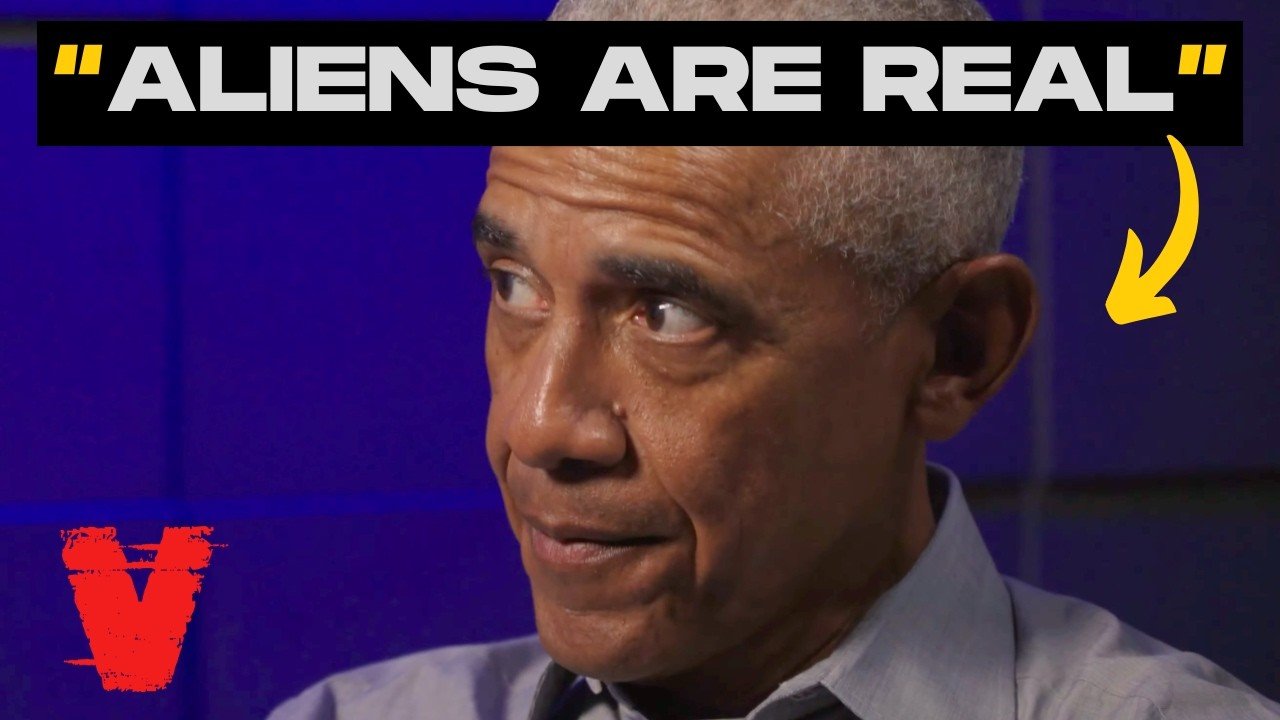
Barack Obama Comes Clean About Aliens
When former President Barack Obama casually remarked that “aliens are real,” the internet lit up with speculation. Was it a joke, a nod to unexplained UFO phenomena, or something more? While Obama stopped short of confirming extraterrestrial visits, his comments tap into a deeper truth: even world leaders admit there’s much we don’t know about the universe. From government reports on unidentified aerial phenomena to humanity’s timeless question—are we alone?—his viral moment reminds us that curiosity about life beyond Earth is stronger than ever, and the search for answers is far from over.
It’s not every day you hear a former President of the United States say, straight-faced, that “aliens are real.” Yet, that’s exactly what happened recently when Barack Obama stoked a firestorm of curiosity, memes, and frantic speculation online after his casual, yet weighty, comments in a viral interview. For anyone remotely interested in UFOs, extraterrestrial life, or the boundaries of what we know, these moments are a goldmine—and perhaps, a source of hopeful excitement. But what did Obama really say, and what does it all mean? Let’s dive deep into the story behind the headlines and explore why the truth may be both stranger and more hopeful than we think.
The Viral Clip That Set the Internet Ablaze
Obama’s now-infamous comment came in response to the evergreen question: “Are aliens real?” With all the calm of someone discussing the weather, he responded, “They’re real, but I haven’t seen them,” and offered tongue-in-cheek disclaimers about secretive facilities like Area 51. For UFO enthusiasts and skeptics alike, this was catnip. Yet, if you watch the interview carefully, there’s a sense that Obama’s walking a tightrope between jest and earnestness—a dance he’s performed in various interviews over the years. The interviewer, perhaps missing the opportunity of a lifetime, didn’t follow up. No grilling, no digging a bit deeper, just a quick transition to the next topic. The internet, however, didn’t let it go.
But what does “aliens are real” even mean coming from a president? Is it a comment on the statistical probability of life elsewhere in the universe, or a nod to the tantalizing question of whether Earth itself has ever been visited? That’s where things get complicated—and interesting.
A Presidential Obsession: The Search For Answers
Obama isn’t the first president to field questions about aliens and UFOs, but his collection of quips, evasions, and half-jokes is particularly fascinating. From discussing the allure of Area 51 to making playful remarks on golf courses and at Roswell, the former president seems both amused and oddly sincere. It’s clear from his own words that if you ever became president, the first question you’d want answered is whether we’re alone in the cosmos.
There’s also a recurring theme: even world leaders can’t always get all the answers. Obama has openly admitted to asking about secret labs and crashed UFOs, only to be told there is nothing to report. Yet, when directly confronted, he’s never brushed the topic off entirely. Instead, he sticks to what is known: there are aerial phenomena recorded by the government that simply don’t have explanations—objects that exhibit flight patterns and capabilities we can’t account for.
Are We Asking The Right Questions?
Many in the UFO community fixate on the details: Are there aliens under Area 51? Do we have crashed spaceships? What technologies, if any, are being hidden? But perhaps the larger question is even more profound. When presidents, scientists, and ordinary people alike speculate about the existence of alien life, they’re tapping into a curiosity as old as humanity: are we alone?
Obama’s carefully chosen words hint at more than simple yes or no answers. When pressed by kids or late-night hosts, he’ll joke about “classified secrets” or “coming in peace” when landing in Roswell. But in more serious moments, he admits there’s a great deal we simply don’t know. As he told Jimmy Kimmel, “There are things I just can’t tell you on air.” There’s usually a mischievous grin, but the subtext is clear: even if there isn’t a smoking gun, there are, at minimum, enduring mysteries worthy of our attention.
Disclosures and Disappointments: What Happens Next?
If you dive into online discussions—be it on YouTube, Discord, or Twitter, the response to Obama’s statement is electric but divided. Some fans feel vindicated, others are left wanting more. The unanswered questions breed speculation about everything from government cover-ups to revolutionary energy technology and—most tantalizing of all—the possibility that full disclosure is just around the corner.
But as the video’s creator Patrick and the community point out, it’s one thing for a president to say “aliens are real” in the abstract. What most of us really want to know is, “Are they here? Have we made contact? Is someone, somewhere, holding back the single biggest reveal in human history?”
It seems clear that, at least in the official record, no president has been able (or allowed) to deliver that “we are not alone” speech in concrete terms. Instead, we get winks, hints, and confirmations only as far as “unexplained phenomena.” Whether that’s because there is nothing more to say, or because the truth is deemed too volatile, remains a matter of debate—and frustration—for curiosity seekers everywhere.
Hope, Perspective, and The Human Need for Connection
Here’s where Obama’s comments, and the responses they inspired, start to feel quietly hopeful. Imagining we are not alone in the universe doesn’t necessarily upend our daily lives; if anything, it puts our struggles, arguments, and differences in perspective. We can still walk our dogs, fall in love, or celebrate Valentine’s Day. The possibility that there’s more out there is, for many, a source of wonder, unity—and yes, optimism.
As the transcript’s concluding comments stress, maybe humanity is ready for the truth, whatever it may be. Whether the big reveal is biological life on Mars or confirmation of something far stranger, the desire for understanding, unity, and honest communication runs deep. We’re all in this together, one species on one pale blue dot, asking the same old question: what’s really out there, and what does it mean for us?
It’s time, many feel, for those with the answers—if they exist—to step out of the shadows. Because truth, however extraordinary, is the common ground where we can all meet, wonder, and move forward together.
So, the next time you catch a former president hinting at secrets or cracking a joke about Roswell, remember: sometimes the most important truths hide in plain sight—or just behind a mischievous grin. Until then, keep looking up, keep asking questions, and stay curious.
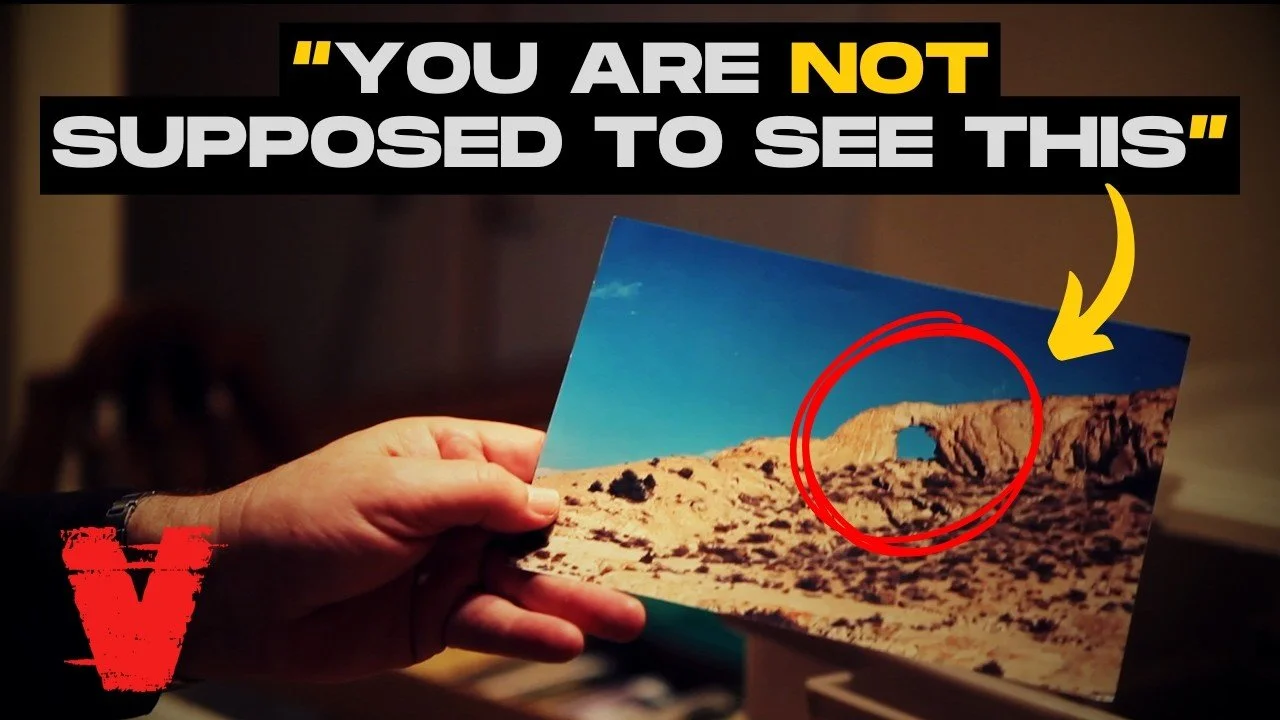
George Knapp Drops Bob Lazar Bombshell
Jerry Freeman’s daring trek through the Nevada Test Site was meant to uncover pioneer history—but his story took a shocking turn near Area 51. From alleged desert “portals” to hidden landmarks and links to Bob Lazar’s controversial claims, this deep dive explores the evidence, skepticism, and enduring mystery surrounding one of the most fascinating forbidden journeys in modern UFO lore.
If you've ever found yourself captivated by stories of forbidden places, unsolved mysteries, and brushes with otherworldly phenomena, sit tight—this is a tale you won’t want to miss. The saga of Jerry Freeman, as recounted in a recent episode featuring Patrick from Vetted, is part pioneer adventure, part government secret, and part jaw-dropping encounter with the unknown. Pull up a chair, because what happened in the Nevada desert goes far beyond the usual UFO lore—you might even question the boundaries between our world and something far stranger.
Jerry Freeman: An Unlikely Explorer in the Forbidden Zone
Jerry Freeman wasn’t your stereotypical UFO enthusiast or conspiracy theorist. He was an archaeologist with a thirst for adventure and a deep fascination with the past. On April 22, 1997, Freeman took on a dangerous challenge: a seven-day, 100-mile trek across the Nevada Test Site, sneaking through highly restricted Air Force property that hugs legendary Area 51. His goal wasn’t to hunt for aliens, but rather to find evidence from the Gold Rush era—historical carvings made by the pioneers who braved the desert in 1849.
Armed with little more than determination and a sharp sense of history, Freeman hid under rocks by day and traveled by desert night, evading security patrols and risking arrest. He was not searching for UFOs or government secrets. Yet, as he drew closer to Papoose Lake, a place now infamous thanks to stories from figures like Bob Lazar, Freeman allegedly stumbled across something he could never have imagined.
The Night the Door Opened: Portals in the Desert?
As described during various interviews and broadcasts (including a dramatic call into Coast to Coast), Jerry Freeman recalled experiencing a surreal event near Papoose Lake. One night, as he hunkered down in the silence of the desert, he claimed to have witnessed what can only be described as a portal—an illuminated doorway emerging out of thin air in the midst of sheer darkness. A rumbling beneath the ground caught his attention, followed by a blueish door of light "opening up to who knows where," before vanishing as suddenly as it appeared.
Freeman, for all his grit and credibility as an outsider to UFO culture, left behind more than just his story. He collected photographs, kept meticulous diaries, and even captured home video footage of his journey. The legend goes that he took rare and clear photographs of Papoose Lake and petitioned officials—including Senator Reid—to acknowledge the existence of certain mysterious landmarks, like a massive stone arch, which government agencies denied ever existed.
The High Cost of Curiosity: A Tragic Twist
There’s a somber edge to Freeman’s adventure. Risking exposure to the lingering radiation of old atomic test sites, he ultimately developed cancer, believed to be a consequence of his time spent in this highly restricted, contaminated area. Despite the tragic toll, his legacy persists in the evidence and notes handed down to researchers and journalists like George Knapp. Freeman’s journey stands as both a testament to human curiosity and a cautionary reminder of the price sometimes paid for it.
Did His Encounter Validate UFO Legends?
One of the discussion’s most intriguing aspects is whether Freeman’s account lends credibility to other Area 51 legends, especially those surrounding Bob Lazar—a controversial figure famous for his extraordinary claims about hidden alien technology and secret underground bases at S4 (near Papoose Lake). Curiously, Freeman initially had no knowledge of Lazar’s stories. His only motive was historical exploration, not to pursue or prove any theory involving UFOs or extraterrestrial technology. Some see this as enhancing his credibility; others remain skeptical, pondering if the desert’s harsh conditions and Freeman’s exhaustion may have contributed to his remarkable vision.
What stands out, however, is the chain of evidence—photographs, diaries, and possibly even home video. While none of these materials have surfaced to provide conclusive proof of a "portal," their very existence fuels speculation, debate, and endless curiosity about what really lies out in the Nevada desert.
Government Secrets, Stone Arches, and the Power of Mystery
Jerry Freeman’s journey was also remarkable for his discovery and documentation of a massive stone arch, a landmark the Department of Energy tried to deny existed. Why such secrecy? The transcript suggests it's simple: if the public knew about these features, people would inevitably want to visit, raising liability and security concerns in a sensitive area doubles as both a nuclear repository and an iconic zone of mystery.
There’s a lesson here about the power of hidden knowledge to drive curiosity, storytelling, and even collective mythology. When officials refuse to acknowledge what’s plainly visible in the photographs, public interest only grows. Freeman’s documentation spurred grassroots efforts and even petitions to open access to these off-limits wonders.
Bob Lazar's Dilemma and the Cult of the Whistleblower
Freeman’s story naturally circles back to figures like Bob Lazar, whose claims about Area 51 and alien technology have sparked decades of debate. Recently, whispers about Lazar possibly testifying in congressional UFO hearings reignited old controversies. Despite initial willingness, his confidant George Knapp advised against it, pointing to 30 years of hostility and attacks from both the public and the UFO community.
Here’s the kicker: regardless of the skepticism or animosity, the story endures because it’s bigger than Lazar, Freeman, or any one individual. It’s about the relentless search for truth, the need to push boundaries, and the value of bearing witness, even when the evidence is ambiguous or the risks are high.
A Never-Ending Search: Entertainment, Enigma, and Truth
As new projects like documentaries and virtual reality experiences roll out, the legend of Area 51 and its secrets continues to inspire, fascinate, and entertain. The question remains: is it all just the perfect story—a blend of history, danger, and just enough unexplainable phenomena to keep us hooked? Or is there a deeper truth waiting to be uncovered if only more people like Freeman dare to look?
Your Turn: What Do You Believe?
The tale of Jerry Freeman is equal parts adventure, tragedy, and mind-bending mystery. It invites us to ponder where the line between fact and fiction really lies and to consider what we’ll risk in our personal quests for truth. Have you heard Jerry Freeman’s story before? Do you think it lends credence to other claims, like Bob Lazar’s, or is it a fascinating yet ultimately unsolved puzzle?
Drop your thoughts in the comments—because every legend lives on as long as we keep asking questions.
Every day is a gift. Stay curious, friends.
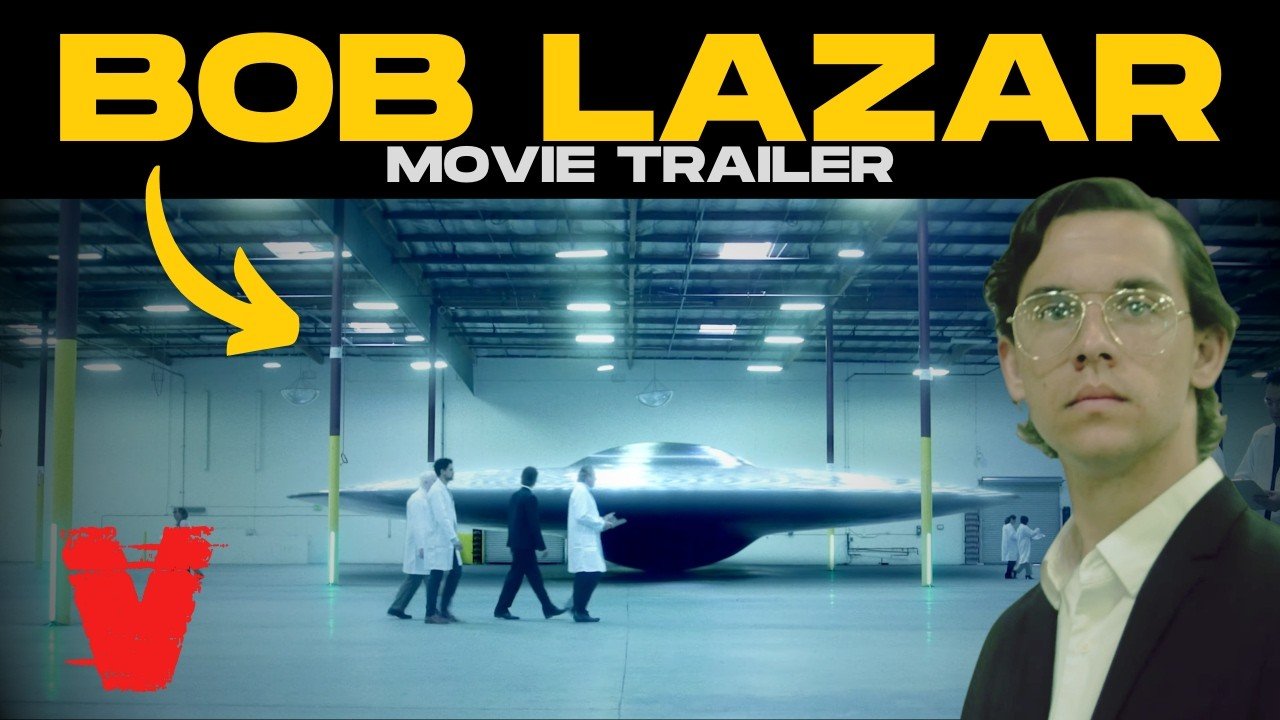
FIRST LOOK: Bob Lazar Fan Trailer
What if the biggest secret behind UFO sightings isn’t aliens—but advanced technology hidden in plain sight? Inside a secured hangar sits a gleaming flying saucer marked with an American flag, sparking a bold mission: reverse-engineer the impossible. This isn’t a story about extraterrestrials—it’s about engineers and scientists racing to decode revolutionary propulsion, energy systems, and materials that could redefine the future. Step inside the secret world where science fiction meets engineering ambition, and where the true prize is technological transformation.
Stepping into the hanger, it became clear that this was no ordinary day at work. Resting in the middle of the enormous space was something that could have come straight out of science fiction—a flying saucer. Its shiny surface gleamed under the lights, complete with a small American flag affixed to its side. At that moment, a longstanding mystery began to unravel: perhaps all those stories about UFOs and flying saucers weren’t just the stuff of fantasy after all.
The Shock of Discovery
Few experiences rival the awe of seeing something that defies your understanding of reality. For those privileged enough to be part of a program tasked with reverse-engineering such an extraordinary object, the sense of being on the cutting edge is irresistible. The narrator’s initial reaction captures what many of us would feel—an overwhelming mix of disbelief, curiosity, and excitement. What had always been whispered about in hushed tones was now folded into the realm of possibility.
Pushing the Limits of What We Know
The allure of working on technology so far beyond current understanding is undeniable. Here was a machine that appeared to break the rules of physics as we know them. The flying saucer challenged pre-existing notions about what’s possible—sparking both skepticism and hope. The project wasn’t about proving alien existence but about peeling back the layers of engineering to see if this incredible technology could be replicated.
Reverse Engineering: The True Challenge
Contrary to what some might expect, the heart of the endeavor was not about contact with otherworldly beings. Instead, the goal was far more pragmatic: to see if it was possible to back-engineer the flying saucer using materials and methods currently available. This is the difference between science fiction and engineering ambition. The repeated mention of heat in the transcript hints at just one of the enormous technical challenges faced—how do you contain or manage the colossal amounts of energy required, especially when it seems so far beyond the scope of what modern technology can handle?
The Thrill of the Unknown
For those with a passion for technology and discovery, the true prize is not the confirmation of alien life, but the opportunity to stand at the threshold of something revolutionary. Imagine the breakthroughs that could result from understanding and harnessing such advanced technology: revolutionary energy solutions, new methods of transportation, and possibilities we haven’t yet imagined.
Far from focusing on conspiracy or spectacle, this perspective is about innovation. It’s an ode to the engineers, scientists, and dreamers who dare to challenge the limits. Whether or not the origins of the craft are truly extraterrestrial, what matters most to these pioneers is the pursuit of knowledge and progress.
Rewriting the Future
At the end of the day, the story is less about little green men and more about human ingenuity. It’s about pushing beyond the boundaries that define what we think is possible—questioning, experimenting, and striving to turn science fiction into science fact. When the narrator says the fascination is with the technology, not necessarily with aliens, it’s a rallying cry for anyone who sees the impossible as simply another obstacle to overcome.
So the next time you hear a story about a strange sighting in the sky, remember: somewhere, someone may be working tirelessly—not just to answer the mystery, but to bring about a new era of technological innovation. And in that hanger, with the flying saucer gleaming under the lights, the future just might be taking shape.
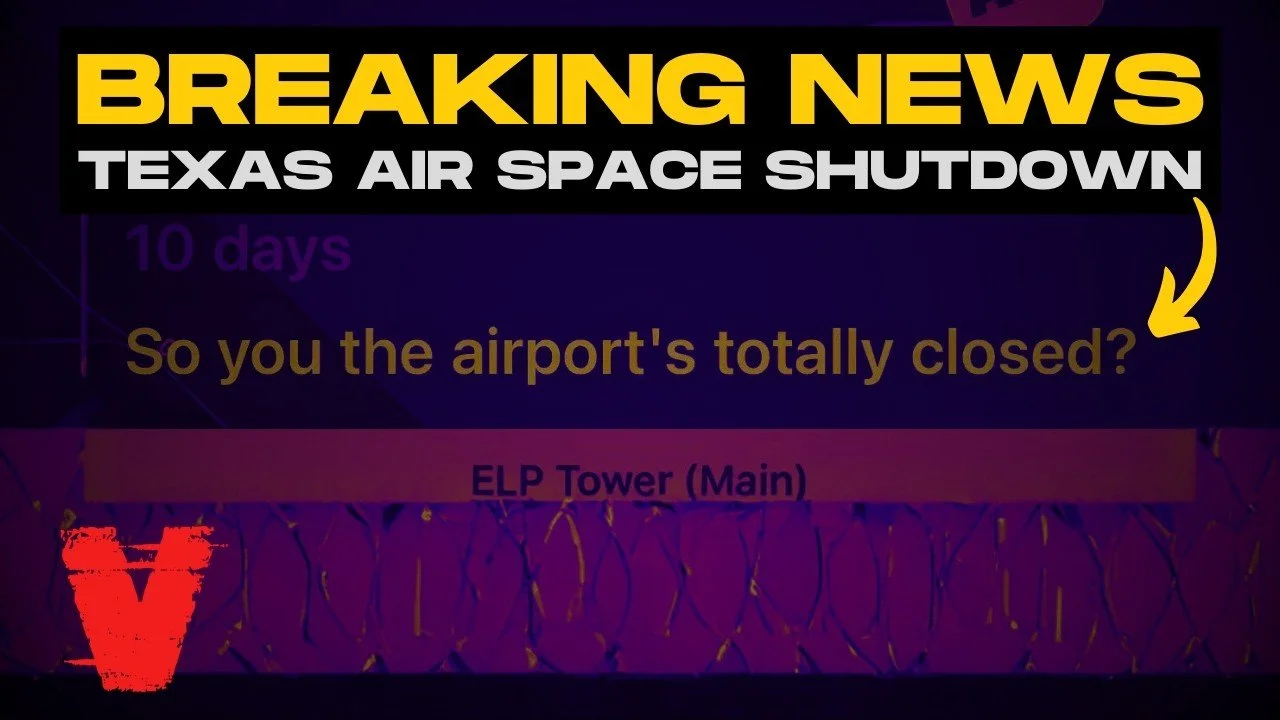
BOMBSHELL: Texas Air Space Shutdown For Possible UFO Activity
For the first time since 9/11, the FAA ordered a sweeping 10-day ground stop over a major U.S. city—El Paso, Texas—halting everything from commercial flights to medical evacuations. With only “special security reasons” offered as an explanation, speculation has exploded. Is it a large-scale military operation out of Fort Bliss? Advanced weapons testing near White Sands? Heightened cartel activity along the border—or something even more mysterious? Here’s what we know, what we don’t, and why this unprecedented airspace shutdown has everyone watching the skies over the Southwest.
When news breaks of something so out-of-the-ordinary that it hasn’t happened in over two decades, people take notice. That was exactly the case when the Federal Aviation Administration (FAA) announced an immediate 10-day ground stop at El Paso International Airport, Texas. Not since 9/11 has the U.S. seen an airspace lockdown of this scale and immediacy—from commercial jets to medevac flights, not a single engine could turn over the border city’s runways. But why now? What’s really going on in the skies and on the ground along the U.S.-Mexico border? Let’s break down what happened, the theories floating around, and what this means moving forward.
Shutting Down the Skies: What Actually Happened?
In a move that blindsided pilots, air traffic controllers, and airlines alike, the FAA announced at short notice that all air traffic in and out of El Paso was to stop at 6:30—a halt that would stand for 10 days. This wasn’t your average weather delay or runway maintenance. There were no exceptions—not even for medical emergencies. So far, the only official reasoning has been ‘special security reasons,’ which, as you can imagine, set the rumor mill on fire.
To put this in perspective, many seasoned pilots shared online that they’d never seen a ground stop like this outside of September 11, 2001, when every civilian plane in U.S. airspace was ordered to land. This time, the restrictions focused specifically on the border region, making it especially curious.
Possible Explanations: Fact, Fiction, and Everything In Between
In the absence of specifics, multiple theories quickly gained traction. Here are the top explanations being discussed, from the plausible to the out-of-this-world:
1. Major Security or Military Operations
One of the most credible explanations involves anti-drug cartel operations or serious border security measures. With El Paso right at the heart of ongoing conversations about cartel activity and national security, it’s no stretch to imagine that law enforcement or military could be coordinating a large-scale operation. There’s precedent for such action, especially if the goal is to keep the element of surprise against organized crime. Shutting down airspace would certainly prevent any possible lookouts or airborne interference.
Adding fuel to this theory is a recent report citing unnamed sources at the FAA, who say military activity out of Fort Bliss’s Biggs Army Airfield took priority, and the FAA couldn’t guarantee civilian flight safety. Given Fort Bliss’s history and proximity, there’s good reason to believe something significant from a security standpoint is underway.
2. Advanced Military Testing
Another strong theory is that the area is being used for unprecedented military testing—potentially something experimental or highly classified. Nearby White Sands Missile Range is known for its role in U.S. military advancements and, occasionally, even controversial tests. While it seems drastic to close an airport for routine exercises, if the military were trialing new tech, drones, or even GPS jamming equipment, safety and secrecy would be critical.
3. Border Enforcement or Immigration Events
Some have speculated this could be linked to immigration enforcement or mass deportations via the border. However, this theory doesn’t quite add up—most such operations focus on ground logistics, not airspace restrictions. Shutting down an entire airport would be a blunt tool for dealing with a problem normally handled in a more targeted way.
4. Threats from Across the Border or Abroad
Given ongoing tensions with cartel organizations in Mexico, and even concerns about international provocations from countries like Iran or Cuba, the fourth theory posits a genuine threat response—maybe terrorism or high-profile smuggling. While possible, there’s no public evidence suggesting an immediate, specific threat in the area that would warrant a complete air lockdown.
5. UFOs and Anomalous Phenomena
No story about airspace shutdowns would be complete without a nod to the unexplained. El Paso, Fort Bliss, and the whole border area have long been hotbeds of UFO lore and sightings. From orb-like lights to stories of government cover-ups, the region is a magnet for speculation involving extraterrestrial or experimental craft. While it’s fun to consider, if the government were really involved in a UFO cover-up, it seems unlikely they’d announce a 10-day airspace closure for the whole world to see—covert ops generally keep a lower profile.
Connecting the Dots: What’s the Most Likely Reason?
With all the wild theories out there, the most plausible explanation seems to revolve around military or security operations—possibly intersecting with cartel activity and the unique strategic importance of El Paso. Fort Bliss, right next to the airport, has a long and colorful history of secret tests and missions. According to recent reports, the decision to close the airspace came after the Department of Defense couldn’t guarantee the safety of civilian aircraft during military maneuvers. Whether these are routine drills, anti-cartel strikes, or something even more sensitive, it’s clear something significant is happening.
The UFO Connection: Separating Fact from Fiction
It’s undeniable that unusual sky activity over Texas and New Mexico has historically captured imaginations—from the alleged Coyame UFO crash in 1974 to more recent reports of strange lights over El Paso. Some locals went as far as to watch live airport feeds, speculating that distant communication towers could be something more mysterious. Despite the buzz, official explanations often point to military flares or misidentified aircraft—though die-hard UFO enthusiasts are never quite convinced.
Community Impact: When Theories Outpace Answers
Amidst the uncertainty, communities and travelers have been left scrambling. Passengers stranded, flights rerouted, and freight delayed: the ripple effects have been immediate and widespread. Many people—pilots included—are frustrated at the vague explanations and lack of details. When authorities don’t share information, it’s only natural for speculation to blossom, sometimes wildly so.
However, it’s a good reminder of the unique vulnerability of border cities. El Paso sits at a crossroads, geographically and strategically. Its proximity to international crime, military might, and the vast southwest desert makes it a focal point when big things go down.
Wrapping Up: What Can We Learn?
Ultimately, the closure of El Paso International Airport’s airspace is a rare and dramatic event. Whether it’s prompted by advanced military operations, critical border security concerns, or something still under wraps, it’s a stark reminder that even in an age of routine air travel, history can still surprise us. As details eventually come to light, one thing is for sure: unexplained, unprecedented actions demand clear answers. Until then, stay curious but cautious about speculation—and keep an eye on the skies. As always, moments like these are an invitation to question, learn, and share theories—just don’t forget to check your flight status before heading to the airport!

UFO Researcher Reacts To 'Disclosure Day' Super Bowl Trailer
Steven Spielberg’s Disclosure Day isn’t just another alien blockbuster—it’s a cinematic deep dive into truth, secrecy, and how humanity reacts when the unthinkable becomes undeniable. The Super Bowl trailer teases UFO phenomena, whistleblowers, and eerie shifts in consciousness, but beneath the spectacle lies a bigger question: What happens when disclosure finally arrives—and who do we trust to deliver it? In this breakdown, we explore the film’s hidden themes, its parallels to real-world UFO debates, and why this story hits differently in today’s era of skepticism, citizen investigation, and government secrecy.
If you’ve ever found yourself staring up at the night sky, thinking about what’s out there—or maybe who’s out there—then Steven Spielberg’s upcoming film, “Disclosure Day,” and the discussions swirling around it may have already caught your attention. Today, we’re taking a deep dive into not only the electrifying Super Bowl trailer but also the broader, more philosophical questions about disclosure, truth, and how we as humans handle potentially world-changing information. Buckle up, because this isn’t just another alien invasion story—it's about the search for truth and the stories we choose to believe.
Spielberg’s "Disclosure Day": Not Your Average Alien Movie
Let’s get right to the heart of the matter: the “Disclosure Day” trailer shown during the Super Bowl is meant to shake things up. It offers more than just epic shots of UFOs tearing through clouds and government secrets teetering on the brink. Spielberg, the filmmaker who brought us classics like "Close Encounters of the Third Kind" and "E.T.", isn’t content to simply revisit typical alien tropes. Instead, this film looks to tell a story grounded in humanity—about what happens when the truth, long kept under lock and key, is suddenly made public.
At its core, “Disclosure Day” seems less interested in extraterrestrials themselves and more focused on how humanity processes big, unsettling truths. The central drama hinges on questions like, “What if we’re not alone—not just in the universe, but maybe here, walking among us?” The trailer hints at whistleblowers, shifting consciousness, and technology (or perhaps phenomena) that lets beings inhabit or swap human minds. All of this pushes the film beyond standard alien fare into the territory of psychological and societal impact.
The trailer’s visual nods to classics like “Independence Day” are undeniable. But the real intrigue comes with glimpses of characters—especially Emily Blunt’s role as a news anchor—who seem to operate as conduits for larger forces. Scenes featuring altered perceptions, voices speaking through newscasters, and characters whose very sense of self is challenged, all raise the stakes, asking: What would it mean not just individually, but as a society, to finally know that we’re not the only ones here?
Speculation, Storytelling, and Spielberg’s Signature Style
One of the most exciting aspects of any Spielberg outing is his ability to weave speculative fiction with emotional depth. “Disclosure Day” appears poised to explore the concept of consciousness as a battleground—implying that alien influence isn’t about invasion fleets, but rather the more insidious, thought-provoking idea of mind penetration or consciousness-swapping. Imagine a loved one suddenly becoming someone else entirely—a literal alien in human skin—or perhaps more chillingly, a part of your own consciousness waking up and realizing it’s… not you.
The trailer cleverly sparks these kinds of questions without giving away too much. Is the UFO crashing, losing power, or maneuvering with purpose? Are the changes in characters’ eyes and behaviors signs of alien possession? What role does the media play in framing this truth, and how do whistleblowers challenge the established order? These questions aren’t just for the film—they echo debates happening right now in UFO and disclosure communities worldwide.
Spielberg’s history with the UFO genre (from "Close Encounters" to "War of the Worlds") makes him a trusted guide through these complex themes. He’s spoken candidly in interviews about his lifelong fascination with the inexplicable. While Spielberg admits the question isn’t whether there’s life out there—the real question is: Why hasn’t humanity been told the whole story? This film is his latest attempt to grapple with that very theme.
Citizen Disclosure vs. Government Secrecy: A Mirror to Real-World Debate
Beyond the movie magic, the second half of the video and transcript delves into the heart of a related conversation: the ongoing debate between government disclosure and citizen-led truth-finding missions. Host Patrick, responding to social media comments and fellow UFO researchers, highlights a tension that’s very familiar in today’s world: Who gets to tell us the truth—and why should we believe them?
Some, like the podcast host AJ from The Y Files, argue that government insiders or so-called whistleblowers from intelligence agencies aren’t always trustworthy. Their stories, sometimes lacking concrete proof and often filtered through bureaucratic agendas, can muddy the waters. This skepticism is countered by voices like Fred Baker, a respected figure in the Skywatcher community and a former special operations military member, who warns against dismissing someone’s testimony just because of their background.
The thoughtful exchange highlights a crucial reality: Skepticism isn’t cynicism. It’s a survival skill in a world of conflicting narratives and partial truths. As Patrick notes, everyone has a different path to understanding. Some trust citizen disclosure—grassroots investigations, independent researchers, and firsthand witness accounts. Others maintain faith that the truth, if it comes at all, will need to be validated by established institutions, even if those have let us down in the past.
Personal Reflections: Listening, Learning, and Owning Your Own Search
One of the main takeaways from both the “Disclosure Day” discussion and the comments that followed is the deep personal nature of all this. Whether you’re a longtime UFO enthusiast, a government skeptic, or just someone who likes a good story, the pursuit of truth is, at its heart, a personal journey. There’s no single right way to seek answers.
Patrick’s reflections, inspired by the experiences and insights of Fred Baker, remind us that being open to different perspectives—especially those that challenge our own—is how we grow. It’s about balancing skepticism with open-mindedness, and realizing that everyone’s background, experience, and motivation shapes the way they approach the unknown.
Much like Spielberg does with his complex, character-driven plots, the best conversations about disclosure and UFO truth aren’t binary. They exist in the gray areas—between faith and doubt, trust and caution, stories and evidence.
A New Era of Disclosure?
As “Disclosure Day” gears up for release, and as real-life conversations about disclosure and UFOs heat up, we’re all participating in a grand, collective attempt to answer one of humanity’s oldest questions: Are we alone, or aren’t we? And if not, what does that really mean for us—a species defined as much by its curiosity as its capacity for fear, hope, and belief?
The trailer for “Disclosure Day” hooks us not with spectacle alone, but by holding up a mirror to our own fascination with the unknown and our endless debates about who deserves to be believed. Spielberg understands that, in the end, the truth isn’t just out there—it’s inside us.
So, as you wait for the film’s release, or maybe find yourself deep-diving into podcasts and Twitter threads about the next big reveal, remember: You have the power to decide what you believe, how skeptical you want to be, and which path you find most compelling. Seek the truth your way, savor the journey, and keep your eyes on the skies—and on your fellow humans, who might just hold a piece of the answer you’re searching for.
Let’s keep this conversation going. What did you think of the “Disclosure Day” trailer? How do you approach claims of disclosure in your own search for truth? Drop your thoughts in the comments—because in this quest, every perspective counts.

Ross Coulthart Drops Bombshell UFO News
From explosive whistleblower claims to rumors of secret Alien Reproduction Vehicles (ARVs), the UFO disclosure debate is heating up once again. Are insiders finally ready to reveal hidden government programs and reverse-engineered alien craft—or are we witnessing another carefully controlled drip of information? In this deep dive, we explore the latest testimonies, the clash between public hearings and classified briefings, the skepticism surrounding “official” sources, and the enduring mystery that keeps the UFO conversation alive. Whether you’re a believer, a skeptic, or somewhere in between, the search for truth has never felt more urgent—or more complex.
If you've ever felt like the world of UFO and government disclosure is a labyrinth of intrigue, conflicting information, and unanswered questions, you're not alone. The latest developments—pulsating with new whistleblower rumors, bold claims about secret technology, and resurgent debates over truth versus misinformation—paint a picture that is equal parts fascinating and frustrating. Let's take a closer look at why this story captivates so many, and what it reveals about our ongoing search for the truth about UFOs, advanced technology, and the possibility of alien contact.
The Current Whistleblower Buzz: Promise or More of the Same?
Every few months, it seems, anticipation builds around the appearance of a new whistleblower supposedly ready to shake up the UFO community with firsthand knowledge of secret government programs. This time, the buzz revolves around a potentially groundbreaking source—touted as the most credible yet—who could shed light on the enigmatic legacy UAP (Unidentified Aerial Phenomena) program. Names like Eric Burlison, Dr. Steven Greer, and Ross Coulthart feature prominently in this evolving saga, alongside mention of past whistleblowers such as David Grusch.
The discussion is dynamic, even messy. While some representatives in Congress express hope that protected settings (known as SCIFs, or Sensitive Compartmented Information Facilities) will coax whistleblowers into sharing more, others, like Dr. Greer, argue forcefully that these secret hearings only serve to bury the truth further. Greer insists on the need for open, public testimonies—no more hiding classified revelations behind closed doors. His stance underlines a central clash: Do secretive government processes protect national security, or simply shield illegal or unethical activities from scrutiny?
Alien Reproduction Vehicles: Fact, Fiction, or Something In-Between?
One of the most provocative threads in this discussion is the concept of ARVs—Alien Reproduction Vehicles. The idea here is that U.S. military programs have recovered alien craft and reverse-engineered them to create advanced, human-made UFOs. Some whistleblowers linked to insiders at Air Force bases like Edwards and Nellis have allegedly managed or even flown these ARVs, providing tantalizing hints at a secret space program operating apart from public oversight.
Yet belief is far from universal. Skeptics and independent thinkers point out that if our ancestors couldn’t reverse-engineer a motorcycle dropped into ancient Egypt, how could we recreate alien technology made with unknown materials and principles? Nonetheless, there are those who argue that enough time and ingenuity could yield partial breakthroughs—a GPS system here, fiber optics there—even if full recreation is out of reach.
The Skepticism Surrounding “Official” Whistleblowers
A recurring refrain in the discourse is skepticism over the background and motives of these so-called whistleblowers. Many have ties to intelligence or military agencies, prompting critics to accuse them of being government spokespeople rather than true insiders risking everything for the sake of transparency. Some compare this to a drip-feed of information—a “breadcrumb disclosure”—whose purpose is less about enlightening the public and more about maintaining intrigue, controlling the narrative, or even distracting from what matters most.
Voices like AJ from The Y Files and researcher Mike Bara advise caution: If whistleblowers only reveal what pre-approved officials allow, are we learning anything real? Meanwhile, former Pentagon personnel making extraordinary claims often seem to operate within a controlled environment, easily deflecting tough questions and criticisms by wrapping themselves in the language of secrecy and danger.
Witness Testimony Versus Evidence: Where Are the Smoking Guns?
Despite numerous testimonies and rumors, concrete evidence of UFOs or reverse-engineered craft remains frustratingly elusive. Stunning UFO videos emerge from time to time—including a remarkable space shuttle clip showing an object making a physics-defying maneuver—but these are rarely featured in official hearings or congressional investigations. Critics wonder why the most compelling footage doesn't get top billing, and whether the government is interested in real answers or simply stage-managing the debate.
The Personal Side: Encounter Stories That Keep the Question Alive
Amid all the grand debates, personal encounters like the story of two teens encountering a mysterious orb on a night ride in 2008 remind us why the mystery endures. These deeply personal and striking experiences fuel curiosity and skepticism in equal measure, ensuring the phenomenon remains more than just a policy debate.
Community, Conversation, and the Need for Independent Thinking
One of the most encouraging developments is the growing embrace of diverse viewpoints and independent research within the broader enigmatic phenomena community. Shows and podcasts that refuse to toe the party line—focusing instead on honest speculation and fun, open investigation—help keep the conversation lively and authentic. It’s a refreshing alternative to the tribalism that can creep into specialized communities.
Conclusion: Searching for Clarity in Complexity
In the end, the search for UFO disclosure remains a tangled web of hints, rumors, and occasionally breathtaking possibilities. The latest wave of whistleblower buzz has left many both intrigued and understandably wary. Are these new voices the harbingers of historic revelations, or are we being led in circles by carefully managed narratives? The only certainty is that transparency and real answers will require both tenacity and skepticism on the part of the public.
If nothing else, the persistent speculation and debate underscore how deeply the mystery of UFOs—and our own official secrets—fascinates us as humans. So as new claims, whistleblowers, and theories emerge, stay curious, ask tough questions, and remember: In the world of UFOs, the line between fact and fiction is always shifting, but the search for truth is what makes this journey truly worthwhile.

The Video They Don't Want You To See
What if the technologies that could end energy scarcity, rewrite physics, and redefine humanity’s place in the universe have already existed—only to be hidden away? From alleged UFO legacy archives and whistleblower revelations to free‑energy inventions that mysteriously vanished, this exploration dives into a shadowy world of suppressed breakthroughs and guarded secrets. Balancing skepticism with curiosity, it asks a provocative question: are we missing a future that was quietly taken off the table long ago?
Have you ever wondered if our world could be powered completely differently—if ancient secrets, radical inventions, and lost technologies were just waiting to revolutionize everything? What if the most fantastic stories you’ve ever heard about UFOs, government archives, and cars running on water were actually true, but kept from the public for decades? In a video packed with whistleblower claims, suppressed technology stories, and government intrigue, we dive into an absolutely fascinating web where cutting-edge possibility meets frustrating secrecy—and where everyday lives stand to transform, if only the truth could emerge.
Unveiling the UFO Legacy Archives
One of the most striking revelations centers around a supposed government archive: a physical location that reportedly stores the most compelling records of the so-called UFO legacy program. According to various whistleblowers, including David Grusch and Eric Burleson, not only does this place exist, but it allegedly holds actual evidence—documents, even crafts or bodies—from secret recovery missions. The plot thickens further with claims about a colossal UFO object so large it couldn’t be moved, so officials literally built a facility around it, possibly outside the US in a classified location.
Despite multiple insiders speaking about these phenomena, access to these locations is tightly restricted. Even with backing from Congressional members and, at times, the White House, navigating the Defense Department and broader governmental machinery to actually “see the evidence” remains a logistical and political Everest. Suspicion naturally arises: if all eyes are turning to the few disclosed locations, wouldn’t secret-holders simply move the most sensitive items elsewhere? Or is some evidence truly too massive or intertwined with its environment to even move?
This blend of claims, official hesitancy, and both oral and written “paper trails” has led to a frustrating landscape where conspiracy thrives—but with just enough smoke to make you wonder if there really is fire underneath.
Free Energy: Invention and Suppression
Perhaps nothing captures the imagination—and provokes controversy—like stories of free energy. Imagine extracting virtually limitless energy from the “vacuum,” what’s often called zero-point energy. Inventors across the decades have reported breakthroughs with extraordinary fuel efficiency and devices that seemingly defy conventional physics. There’s Charles Pogue’s 200-mpg carburetor, Tom Ogle’s ultra-efficient car, and Stanley Meyer’s famous “water car” that allegedly ran on tap water, converting it to hydrogen fuel.
Yet what links these inventors is not fame or fortune—it’s tragedy and suppression. Their innovations, though supposedly witnessed by engineers and reported in the news, were never mass-produced. Instead, they faced industry lobbying, government interventions like the 1951 Invention Secrecy Act (which allows the classification of any invention deemed a threat to national security), mysterious deaths, or sudden disappearances of research. Stanley Meyer, for example, died after a meal he claimed was poisoned, right as investment interest peaked. Floyd “Sparky” Sweet reportedly developed a box that produced more energy than it consumed, only for government officials to confiscate his work after a sudden, suspicious death.
Why are these stories of phenomenal technology always accompanied by suppression? The video suggests simple economics as the answer: a device that makes oil or gas obsolete would obliterate multi-trillion-dollar industries overnight. Resistance to disruptive innovation is age-old; it’s the same reason the Pony Express gave way to the telegraph, and why the keepers of old technology won’t let go easily. The implication? If something could fundamentally change the global balance of economic power, vested interests will do anything to prevent that change.
Secrets, Skepticism, and the Battle for Truth
What’s truly compelling about these accounts is not just the stories themselves, but the ongoing conflict between secrecy and transparency. While some whistleblowers claim there are archives and evidence, others argue the most sensitive knowledge is transmitted only orally—to evade any paper trail and potentially publicized leaks. Every new allegation brings skepticism, and rightly so; wild claims without hard evidence should be questioned. Yet, as seen with the declassification of long-buried files in other spheres, sometimes lightning really does strike, and suppressed truths finally emerge.
As researchers, government officials, podcasters, and independent journalists push into this murky terrain, the need for vigilance is greater than ever. Whistleblower claims must be investigated, but never accepted without critique. After all, healthy skepticism isn’t cynicism—it’s making sure history doesn’t repeat itself in the dark.
Psionics, Indigenous Wisdom, and Expanded Human Abilities
The end of the transcript branches into a different—but related—dimension: human consciousness and “psionics.” A contributor discusses how many psychic or remote-viewing abilities find their roots in traditions long held by indigenous cultures. What we often describe with new-age jargon—remote viewing, clairvoyance, spirit walking—are ancient practices. These traditions stretch back centuries, offering nuanced ways to access and interact with realities unseen or not immediately measurable. The modern framing may change, but the foundational knowledge is deeply sophisticated—even if it doesn’t come from a university or a laboratory. This perspective invites a broader, more open-minded inquiry: not every form of truth comes dressed in a lab coat or a government memo.
Conclusion: Where Do We Go From Here?
This journey through hidden archives, free energy suppression, and the world of the unexplained is a powerful reminder that the boundaries of what’s possible are ever-shifting. While many claims may never be fully verified, history is full of examples where people once laughed at what later became reality. Maybe not every story is true, but in a world where government archives might hold paradigm-shifting secrets, and where inventors have supposedly solved energy crises decades ago, the real conspiracy may be how easily our sense of what’s possible is controlled.
So, keep asking, keep exploring, and stay curious. Imagine a world where energy is free, travel is instantaneous, and knowledge is shared—not hidden. Maybe we’re closer than we think.
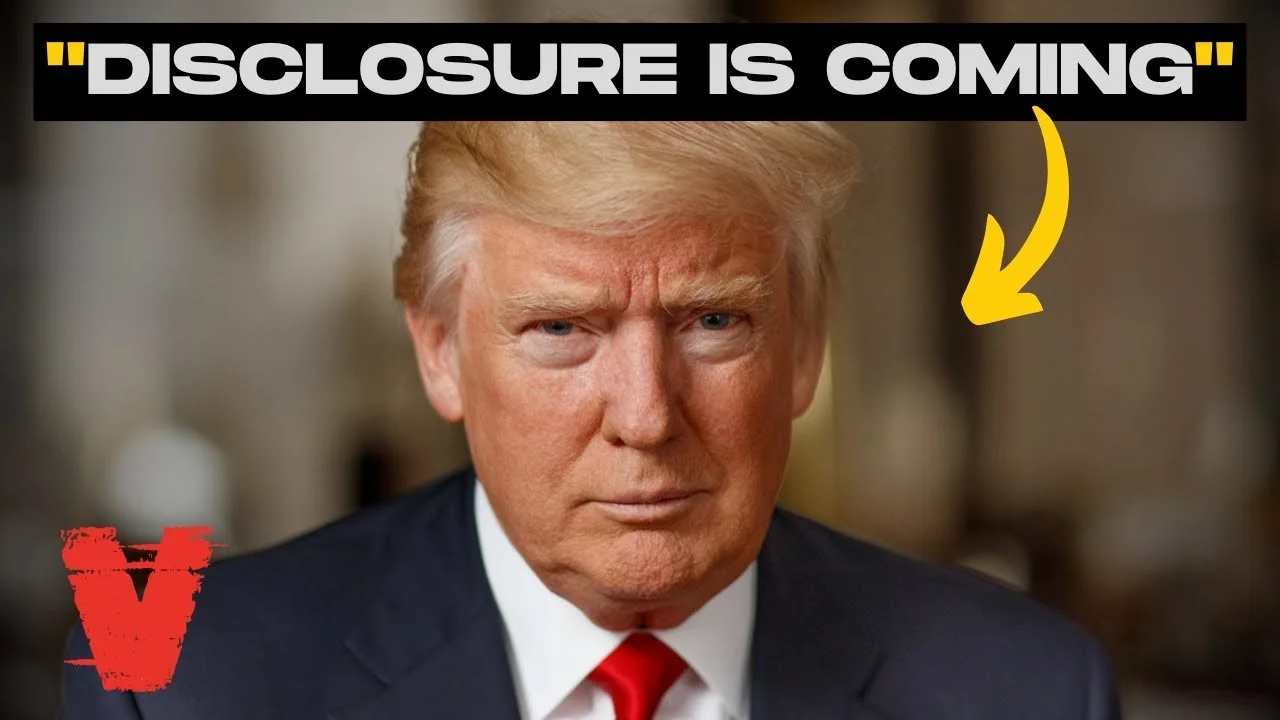
BOMBSHELL: Donald Trump UFO Disclosure Speech Confirmed
Rumors are swirling that Donald Trump could be preparing a historic announcement about UFOs—one that might finally answer the question of whether humanity is truly alone. From insider claims and viral speculation to congressional pressure for transparency, this article breaks down what’s actually being said, what remains unproven, and why the idea of “disclosure” continues to captivate the public imagination. With a balanced look at skepticism, hope, and our enduring fascination with the unknown, we explore what a potential UFO revelation could really mean for humanity.
When was the last time you heard a rumor that made you sit up and wonder, “What if this is actually true?” That’s exactly what’s swirling around right now in the world of UFOs and extraterrestrial speculation, thanks to intriguing comments from political insiders and viral social media posts. Whether you’re a diehard believer, a healthy skeptic, or just an open-minded onlooker, the unfolding chatter about a possible upcoming UFO disclosure by Donald Trump isn’t just making headlines—it’s sparking imaginations everywhere.
What’s Really Happening: The Latest on UFO Disclosure Rumors
To inside observers of UFO news, the idea that the government might be preparing to come clean about encounters with extraterrestrials is nothing new. But recently, the conversation has reached a fever pitch. Much of the buzz started when Laura Trump, Donald Trump’s daughter-in-law, hinted that the former president may be gearing up to announce something big about UFOs. These rumors were picked up by popular accounts and creators, spreading swiftly across X (formerly Twitter) and other platforms.
In Laura Trump’s lighthearted but thought-provoking remarks, she mentioned that even in private, Trump has always been cagey when asked about UFOs—fueling speculation that he knows much more than he’s let on. Theories were fanned further by filmmaker Mark Christopher Lee, who claimed that an insider told him Trump has a specific speech written, ready to reveal humanity’s status as “not alone on this planet,” and that this could be tied to the infamous Roswell incident anniversary on July 8, 2026. The claim? Trump could become the “UFO disclosure president,” with statements that go far beyond just speculation about life out there, but admissions of recovered craft and possibly even extraterrestrial bodies on Earth.
How Plausible Is It? Sifting Skepticism and Hope
With any story this explosive, the natural response is skepticism—and rightfully so. The leap from “the government is hiding information” to “the president is about to announce we aren’t alone and have the proof” is a huge one. Even among dedicated UFO researchers and enthusiasts, these claims are met with raised eyebrows and caveats. The narrator in the video, Patrick from Vetted, voice his own doubts: Why would such a speech be prepared and leaked so far in advance? Are we confusing hints and wishful thinking for evidence? And, perhaps most importantly, what exactly would “disclosure” mean—confirmation of unknown objects, or something breathtaking, like confirmation of contact?
The conversation is further complicated by claims of scheduled press conferences, insider sources promising to reveal more, and even logistical details about when and where this might all happen. Patrick warns, as many before him have, that insiders sometimes promise bombshells that never materialize. If disclosure doesn’t happen—either at all, or in the explosive way some are imagining—will believers just move the goalposts again? Or are we truly on the precipice of a new era?
Congress, Access, and the Slow March Toward Clarity
One element fueling the current excitement is genuine political momentum. Representatives like Eric Burlison have been pressing for official access to rumored sites where evidence or materials related to UFOs are allegedly stored, and report that the White House has instructed the Department of Defense to do what they can to grant such access.
Of course, even this process is shrouded in uncertainty. Skeptics raise the valid question: If politicians finally get in to see these sites, will they actually see the real evidence? Or could an orchestrated tour simply keep the deepest secrets locked away? These steps, however incremental and imperfect, are at least a sign that curiosity and demand for transparency are more mainstream and accepted than ever before.
Our Cosmic Perspective: Why This Matters Beyond the Headlines
Stepping back from the rumor mill and thinking bigger, this moment speaks to something deeply human: our yearning to know where we fit in the grand expanse of the universe. As Laura Trump mused, considering the sheer scale of space and the number of planets, is it really plausible that we are the only intelligent beings? The notion that humanity—"twerking on TikTok," as she wryly put it—is completely alone seems, to many, almost absurd.
For centuries, prophets, philosophers, and scientists have wondered about contact with other forms of life. Today, with the acceleration of information sharing and public interest, we might be on the cusp of learning more—or at least having better conversations about the unknown. Whether or not the biggest revelations happen soon, the rapidly shifting openness of political and media figures about UFOs signals that our relationship to this mystery is changing.
A Note About Community—and Life’s Fragile Joys
Amid all this speculation and cosmic wondering, the video’s creator took time to honor the passing of his beloved rescue dog, Rocket. The outpouring of support from followers was a reminder that, behind the headlines and conspiracies, we’re all bound together not just by what lies out in the universe, but by the everyday bonds we create here on Earth. Family—human or furry—still means everything.
If nothing else, this moment in UFO discussion is a call to stay engaged, to demand answers, but also to remember our own humanity as we chase after the unknown. And perhaps, in the process, we’ll learn a little more about ourselves, whatever lies beyond the stars remains hidden.
The Takeaway: Stay Curious, Stay Compassionate
So, what does it all mean for you, the reader? Whether or not Donald Trump announces the biggest bombshell in UFO history, the energy and excitement around these stories show that people are hungry for truth, transparency, and connection—both with each other and with the mysteries of the cosmos. While it’s wise to meet every rumor with discernment, it’s just as important not to let skepticism close us off to wonder. After all, as Patrick signs off: “Every day is a gift.”
Keep asking questions. Keep seeking the truth. And remember, we’re all in this strange, beautiful universe together.

Someone Had To Make This Video
New UFO—or UAP—videos seem to appear with clockwork regularity, igniting excitement, speculation, and heated debate across the internet. Each release promises a potential breakthrough, yet often delivers more questions than answers. Are these grainy military clips evidence of technology beyond our understanding, or are we watching misinterpreted sensor data stripped of vital context? In this deep dive, we cut through the hype surrounding the latest viral UAP footage, examine who’s releasing it and why, and explain why skepticism, transparency, and patience may be the most important tools we have in the search for the truth.
There’s nothing quite like a new UFO—now called UAP (Unidentified Anomalous Phenomena)—video to stir up the internet. Whenever footage drops, an excited, hungry community of researchers, skeptics, and the merely curious descends, eager to find the smoking gun that might finally deliver the proof we’re all waiting for.
But with every release, legitimate questions bubble beneath the surface: Are we any closer to answers? Or are we being served up mystery after mystery with little context, little verification, and little real progress? Today, let’s unpack the recent wave of UAP footage making headlines, and what it really tells us—not just about mysterious objects in the sky, but about the state of investigation, belief, and skepticism in the UFO world.
The Latest UAP Videos: Hype, Hope, and Hard Truths
Last week, Jeremy Corbell and George Knapp released yet another UAP video. The footage, recorded in 2021 by an MQ9 Reaper drone over Syria, allegedly shows a mysterious object executing an instantaneous acceleration—a movement that defies known technology and feeds directly into the classic “five observables” UFO enthusiasts watch for. At first glance, the video is tantalizing: A small white orb seems to zip abruptly to the side before vanishing. Those instinctively prone to belief see the holy grail of UFO evidence.
But dig a little deeper, and things become less clear. Has anyone actually measured the object's speed or confirmed that it moved as dramatically as it seems? Is the movement just a trick of perspective, caused by the operator switching camera modes or by the platform itself? Are we seeing a physics-defying craft, or a misinterpretation of mundane drone sensor data?
There’s also the broader context: This is just one of a trio of similar MQ9 Reaper drone UAP videos that have emerged over the past decade—from the Hellfire missile incident shown in a 2025 congressional hearing, to a triangular formation filmed in 2012. Each of these videos comes with its own set of ambiguities, both technical and narrative, and each has been subject to intense debate over its legitimacy, origins, and meaning.
The Hellfire Missile Video: A Story of Balloons, Birds, and Bafflement
One video in particular, shown during a UAP-focused congressional hearing in September 2025, allegedly depicts a Hellfire missile striking a UAP off the coast of Yemen. The object appears to survive unscathed—a scene that would seem to suggest alien technology at work.
That is, until experts weigh in. Chris Lehto, a former fighter pilot and self-described believer in the phenomenon, immediately called it out as a likely balloon. Others pointed to the plausibility of drone errors, sensor anomalies, or even mundane explanations like birds. Suddenly, the “smoking gun” looks more like an everyday weather incident caught from a strange angle.
This divide exemplifies a recurring theme: These military-grade videos burst onto the scene, entrancing social media and news cycles, but quickly devolve into controversy, skepticism, and, too often, a collective sense of unsatisfied curiosity. Each one seems to raise as many—or more—questions than it answers.
Who Releases These Videos—and Why Does It Matter?
An equally intriguing part of the story is the journey these videos take from classified servers to public eyes. Congressman Eric Burleson, who introduced the Hellfire missile video at the hearing, admitted he received it via anonymous “dead drop”—an old-school, clandestine method more at home in spy novels than in government transparency. What’s more, he admitted he wasn’t able to forensically verify the video’s authenticity before making it public.
This lack of vetting is alarming. Why are such impactful, potentially world-altering videos appearing in public through opaque channels? Why aren’t they being analyzed by bona fide experts before release? Instead, the responsibility oddly falls to figures like Jeremy Corbell and George Knapp—journalists, not image analysts—to validate them.
And behind that, the question persists: Who is actually supplying these videos, and why? Are whistleblowers attempting to force the government’s hand? Is it media-savvy insiders gaming the narrative? Is it well-intentioned, if clumsy, attempts at fostering disclosure? Or is something more orchestrated, even manipulative, afoot?
Separating Signal from Noise: The Importance of Context in UAP Evidence
Perhaps the biggest challenge for anyone following the UAP story is context. These videos, for all their intrigue, are often blurry, incomplete, and accompanied by scant background detail. In most cases, we don’t know how extensively the footage has been analyzed, how many experts have weighed in, or even whether it’s been scrutinized at all.
Simply labeling something a UAP by military personnel doesn’t tell us the how or the why. Was the investigation a brief glance, or an in-depth review involving multiple sensors and analysts? Was the designation made in haste—just another item to file away, unexplained? Or was it truly exhaustive, with every possible mundane explanation ruled out?
Without these answers, the real significance of these videos is impossible to gauge. Just because something remains unidentified doesn’t mean it’s unexplainable; it simply means it’s currently unexplained. That difference matters—a lot.
Why Critical Thinking Should Lead the Way (and Why It’s Ok to Wait for More)
In the heated world of UFOlogy, it’s tempting to latch onto every blurry, mysterious video as confirmation of our deepest hopes or fears. But as recent events show, a healthy skepticism is not just warranted, but necessary. We should be ruthless in testing and debunking wild claims, debunking what can be debunked, and only then embracing the mysterious. After all, a community committed to truth should celebrate when an “alien” video turns out to be birds or balloons—it means the process is working.
Patrick, the video’s host, makes a wise observation: Right now, many in the UFO community are so starved for evidence that even a kernel of something unusual gets relished as a feast. But perhaps a better approach is patience—a willingness to wait for more substantial, vetted, and clearly anomalous evidence before jumping to conclusions.
The Human Element: Why This Conversation Matters
A heartfelt comment at the end of the transcript reminds us that this conversation is, at its core, a human one. Whether we’re talking about UFOs, government transparency, or social upheaval, what unites us is our shared curiosity and the desire for clarity in a complex world. As corruption and misinformation are exposed across various domains, the best advice remains: Get your own house in order, stay connected with each other, and remember that we’re all navigating uncertainty together.
Conclusion: Transparency, Trust, and the Path Forward
The latest string of UAP videos offers a fascinating window into our collective hunger for answers—but also underscores the dangers of confusion and the need for transparency. If we’re ever to truly understand what’s out there, we’ll need more than tantalizing seconds of video; we’ll need context, expert analysis, and a commitment to open, honest disclosure.
Until then, let’s keep questioning, keep seeking, and keep our eyes—and minds—wide open. Every day is a gift. Stay curious, stay skeptical, and stay connected.
This Video Will Probably Get Taken Down
What happens when leaked Epstein files collide with whispers of anti-gravity research, zero-point energy, and government secrecy? As new revelations surface, the story grows far stranger than political scandals or celebrity names. From Jeffrey Epstein’s mysterious ties to elite scientists and Harvard’s math department to credible journalists suggesting hidden aerospace technology, this deep dive explores the unsettling overlap between cutting-edge science, intelligence agencies, and moral corruption. Separating fact from conspiracy isn’t easy—but the implications for power, progress, and the future of humanity are impossible to ignore.
What if some of the world’s biggest secrets about cutting-edge science, shadowy intelligence connections, and wild conspiracy theories were all tangled up in one story? When Patrick from Vetted jumps on camera without his usual introduction, you know things are about to get interesting—and a little bit risky. With new files from the Jeffrey Epstein case making waves on the internet, it’s not just political scandals and famous names people are talking about; it’s secret conferences, strange scientific research, and the possibility of incredible technology lurking just beneath the surface.
The Secret Life of Jeffrey Epstein: More Than a Finance Guy?
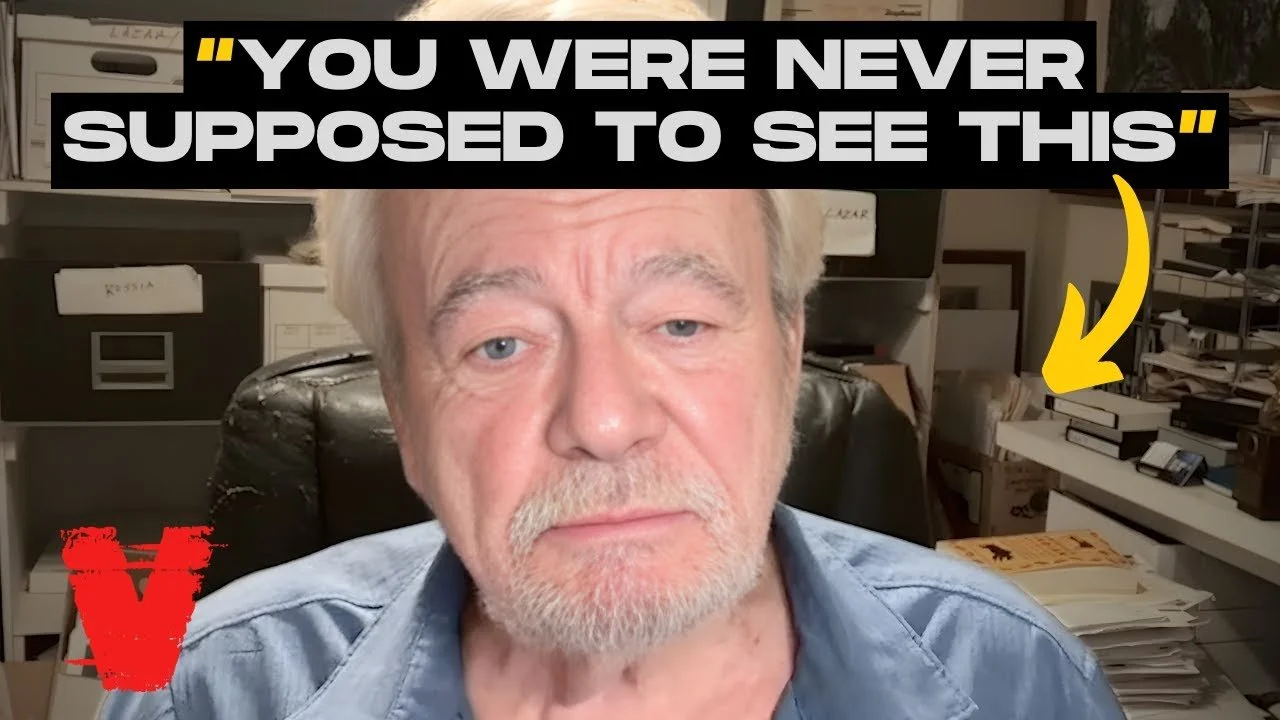
As more details of Epstein’s life come to light (and with files still leaking online), it’s clear that his story is about a lot more than just money or high society connections. One particularly eyebrow-raising piece is a clip of Dr. Eric Weinstein discussing, with a mix of unease and curiosity, Epstein’s links to the Harvard mathematics department and strange conferences focused on anti-gravity and zero-point research. Weinstein, a brilliant mathematician and physicist, isn’t exactly the type to indulge in wild stories, which makes his comments all the more compelling. He reveals Epstein wasn’t just hanging around, attending academic events for status—he was deeply, and inexplicably, in the loop about some of the most cutting-edge (and controversial) areas of theoretical science. The big question: why?
What makes this even murkier is Weinstein’s suggestion that Epstein wasn’t really the financier his public image suggested. Instead, he speculates that Epstein’s unusual access and knowledge could only come if he was tied, somehow, to intelligence agencies. Was the math department connection just about prestige, or part of a broader effort to influence or monitor promising scientific developments? No one seems to have solid answers—and that’s precisely what makes the story so intriguing.
Anti-Gravity, Zero-Point Energy, and Hidden Technology
A huge part of the buzz centers around ideas straight out of science fiction—anti-gravity propulsion and zero-point energy. These aren’t just made-up concepts for movies. Zero-point energy, for example, is the lowest possible energy that a quantum mechanical physical system may have, and anti-gravity propulsion has long been the holy grail for both scientists and the more conspiracy-minded. Incredibly, it’s not only on the fringes that people are talking about this. The transcript brings up Ross Coulthart, a respected journalist, who believes there’s a strong possibility that the U.S. government has long been in possession of advanced aerospace tech, possibly recovered from non-human craft since the 1950s. If that’s true—and with trillions spent annually on national defense—why isn’t the world racing ahead with next-gen energy and transport?
The answer, predictably, isn’t simple. Maybe such technology is being kept secret for national security, or maybe it’s simply too risky to put in the wrong hands. But the idea that figures like Epstein had access, or even influence, over this kind of research? That’s enough to send the internet’s theorists into overdrive.
Science, Morality, and Exploitation: At What Cost?
A theme that Patrick thoughtfully returns to throughout his discussion is the unsettling intersection between progress, power, and morality. Advancement in tech—especially something as potentially world-changing as zero-point energy—should be a source of hope for humanity. But what if the characters pulling strings behind the scenes are, as Patrick bluntly puts it, “vile monsters”? It’s a troubling notion: the possibility that the next leap forward might be tainted by exploitation, blackmail, or outright corruption.
Here’s a reality check for the rest of us: everyday mistakes and small missteps pale in comparison to the misdeeds of the powerful. Patrick’s takeaway? Don’t lose sleep over running a stoplight; the real monsters rarely pay for their crimes. Instead, humanity’s pursuit of knowledge and progress must not come at the cost of our integrity, or—worse yet—be steered by those with the darkest motivations.
The Maze of Misinformation and Conspiracy
In an age of viral tweets, deep fakes, and instant skepticism, the Epstein story also stands as a warning: not everything in the flood of new information should be taken at face value. The transcript cites numerous rumors, fake emails, and online manipulations swirling around each document release. Even experts like Brett Weinstein find themselves searching for documents they know exist and coming up empty. The bottom line? There’s a lot more noise than signal right now, and it’s easy for the truth to get buried or twisted.
The UFO Connection, Drones, and the Blurred Lines of Reality
Just when you think things couldn’t get more surreal, Patrick shares a wild eyewitness account of massive, untraceable drones zipping out of a naval weapons station—machines that seem to defy explanation and aren’t visible by normal aircraft-tracking technologies. These stories, blending first-hand amazement and a good dose of stoner humor, reinforce a bigger point: sometimes, extraordinary things really do happen in plain sight, whether or not the official channels ever admit it.
Waiting for the Rest of the Story
At the heart of Patrick’s video, and this post, is an honest sense of uncertainty. We’re all living through a time when the wildest headlines—files dropping, scientists implicated, UFO tech and blackmail, leaked documents—feel like science fiction. Are we on the brink of fantastical discoveries, or just getting pulled further into sensationalism?
One thing is clear: these revelations, rumors, and debates are about more than one man or a single scandal. They force us to confront big questions about how knowledge is managed, who really wields power, and what kind of future we’re willing to pursue. At the same time, they’re a reminder to stay skeptical, check the facts, and focus more on what’s verifiable than what simply goes viral.
So, as Patrick wraps up, we’re encouraged to keep our heads on a swivel, not to be overwhelmed by the darkest corners of the internet, but to keep watching, keep questioning, and—above all—to remember that every day is a gift. However bizarre the headlines get, the responsibility for what comes next rests with all of us. Don’t let the monsters win.
George Knapp & Jeremy Corbell Release Groundbreaking UFO Video
A newly released military video has reignited global fascination with Unidentified Aerial Phenomena. Captured by a U.S. MQ‑9 Reaper drone over the Persian Gulf, the footage shows three mysterious thermal orbs moving in a precise triangular formation—behavior that defies easy explanation. Officially labeled as UAP by the Pentagon, the video raises pressing questions about government transparency, advanced technology, and what may truly be sharing our skies. In this article, we unpack what makes this footage different, why experts are taking it seriously, and what it could mean for the future of UFO disclosure.
The skies have always fascinated humanity. From the earliest astronomers to modern space explorers, we’ve continually asked: What’s really out there? Recently, a newly released military video reignited this age-old question, captivating both UFO enthusiasts and skeptics alike. The footage, showing what appear to be mysterious thermal orbs moving in a triangular formation over the Persian Gulf, isn’t just another “lights in the sky” YouTube upload—it’s officially designated as UAP (Unidentified Aerial Phenomenon) footage. Today, let’s break down what makes this video unique, why it matters, and what the broader conversation around these phenomena can teach us—all in language they didn’t want you to hear, but that you deserve.
What Makes This UAP Video Stand Out?
The footage in question wasn't casually leaked. Journalists Patrick, Jeremy Corbell, and George Knapp, all recognized for their investigative credibility, acquired it after careful vetting. This matters—a lot. Unlike many grainy, ambiguous UFO videos floating around on the internet, this one is authenticated, recorded by a military MQ9 Reaper drone using thermographic (FLIR) imaging.
What’s especially noteworthy is the behavior of the orbs. At first glance, the three lights appear to be part of a single triangular craft. But upon closer inspection, it’s clear they’re separate orbs flying in a formation that breaks and reforms, demonstrating what looks like autonomous movement. The video, dated August 23rd, 2012 and shot over the Persian Gulf, has been categorized by the Pentagon as UAP—a label reserved for aerial phenomena that defy easy identification.
Why Does the Government Care about This Footage?
UAP is governmental shorthand for “we don’t know.” It doesn’t mean alien, and it doesn’t automatically mean groundbreaking. Yet, when the U.S. military labels a video as UAP, stores it in a special archive, and notes that objects in it showed no sign of traditional propulsion, abrupt directional changes, and “intelligent control,” it raises valid questions.
George Knapp points out an important distinction: while civilian UFO footage is often dismissed for lack of verification, military sensor data offers more credibility. The Department of Defense, armed with multiple sensor arrays and rigorous protocols, makes the UAP call. Still, even among experts, every new UAP video is just another piece of a much larger (and largely unsolved) puzzle. One video might not be conclusive, but a growing collection points to something significant happening in our skies.
Transparency Matters—But What’s Being Held Back?
What’s stirring about this video isn’t just the mysterious lights, but the air of secrecy surrounding such footage. Patrick and his peers are quick to ask: if these videos don’t pose a national security risk, why not release them all for public scrutiny? After all, the internet is filled with brilliant minds who might contribute useful analysis.
Some critics wonder if these videos are really that mysterious or simply misidentified drones, balloons, or birds. The bloggers and journalists on the case make a compelling argument: let’s not laugh off mundane explanations, but let’s not ignore the truly anomalous either. Real investigation should be about the pursuit of truth—not the pursuit of the answer we want.
Debunkers vs. Believers—And Why Both Are Needed
Every time a new video surfaces, the age-old debate reignites. Are these orbs alien craft, secret drones, or just weather phenomena? While some in the UFO community are quick to jump to extraterrestrial conclusions, others insist on more grounded explanations.
The blog’s host, Patrick, makes a sensible observation: Debunking isn’t the enemy of discovery. If a video turns out to show balloons, so be it—that’s one less mystery and a step closer to finding the truly unique cases. Misdirected certainty, on either side of the debate, helps no one. It’s not about proving everything’s aliens or denying any possibility. It’s about letting the evidence—and only the evidence—tell the story.
Personal Stories and Larger Questions
It’s easy to get lost in technical details or debate government secrecy, but the conversation surrounding UAPs is also deeply personal. The blog includes an anecdote from Patrick’s childhood—witnessing a metallic orb (with a credible news crew present) that never made it to broadcast. These personal accounts, whether or not they’re definitively explainable, remind us that the mysterious “other” in our skies inspires awe, curiosity, and sometimes even frustration about hidden knowledge.
What Do We Do with All of This?
After reviewing this unique triangular orb video, we’re left with more questions than answers. But that’s not a bad thing. Publicly vetted and officially labeled UAP videos provide an invaluable opportunity for open analysis, cross-discipline scrutiny, and yes, spirited debate.
As Patrick wisely notes, there’s nothing wrong with tossing out every possible explanation until all but one remains. Accepting mundane causes doesn’t weaken the search for extraordinary truth—it makes it all the more powerful when something truly inexplicable makes the cut.
Conclusion: The Search Is Ours Now
The release of this military UAP footage marks both a step forward for transparency and a call to the curious. We may not know exactly what those thermal orbs over the Persian Gulf were. They could be advanced technology, misunderstood natural phenomena, or something else entirely. But the story isn’t just about one video—it’s about cultivating an open, evidence-driven dialogue.
So, keep watching the skies—and the headline reels. The government may not have all the answers, but maybe, just maybe, the combined eyes and minds of the public will find what has eluded us for so long. And that’s what makes this journey—through the science, the speculation, and the stories—worth pursuing.
What do you think about the footage? Share your thoughts and theories in the comments below. The truth just might be out there, but it’s up to all of us to keep searching.
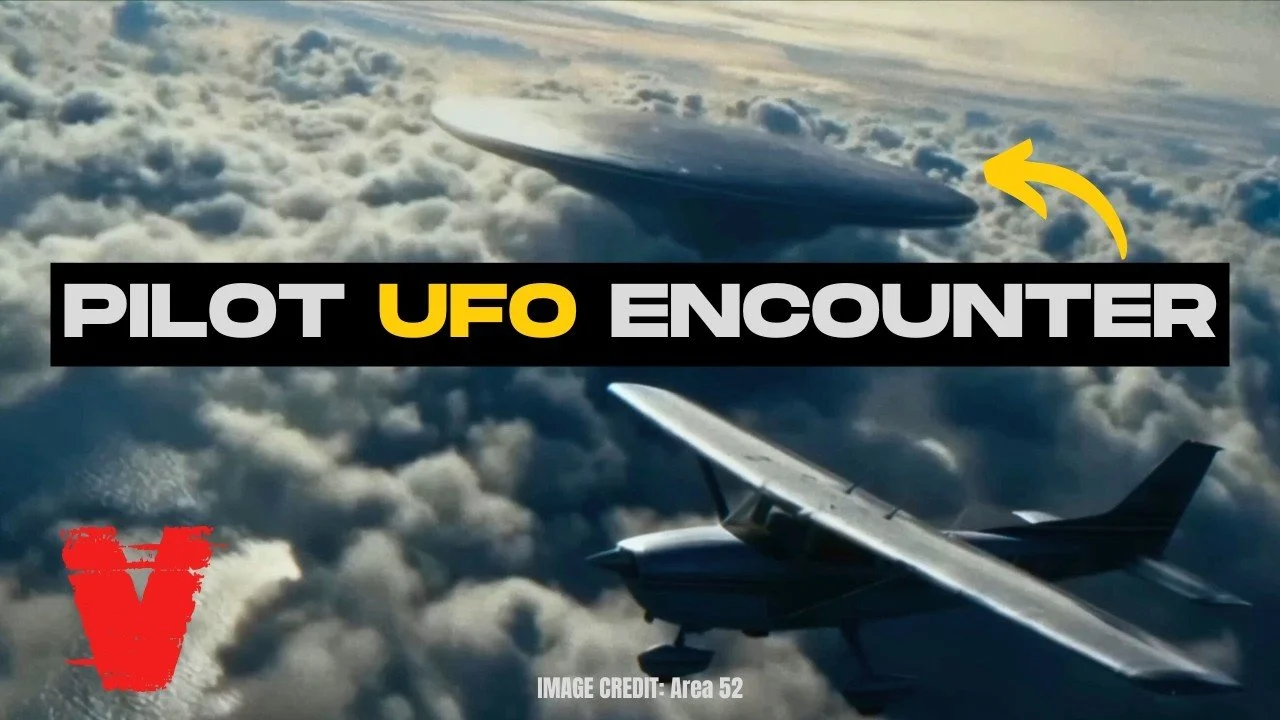
This Pilot UFO Encounter Will Blow Your Mind
What was supposed to be a routine first solo flight turned into one of the most chilling mysteries in UFO history. A young Mexican pilot claimed he blacked out mid-air, woke up hundreds of miles off course, and unknowingly broadcast a message from beings not of this world. With a surviving cockpit recording, baffled air traffic controllers, and unanswered questions that still spark debate decades later, this unbelievable story blurs the line between skepticism and the possibility that we’re not alone.
Have you ever heard a story so wild, so implausible, and yet so captivating that you couldn’t help but wonder: what if it’s true? That’s exactly the rabbit hole we’re diving down today with the viral tale of a Mexican pilot’s first solo flight – and the extraterrestrial encounter that may have changed his life forever.
The Flight That Defied Logic
Imagine taking off for your very first solo flight. Nerves high, adrenaline pumping, checklist in your head—suddenly, you lose consciousness. When you come to, you’re hundreds of miles off course, somewhere over the ocean, running on a fuel tank that should have run dry hours ago. This isn’t the plot of a sci-fi blockbuster. It’s the real-life claim of Raphael, a young pilot from Mexico who set out on what should’ve been a routine trip, only to become one of the most mysterious figures in UFO lore.
His fantastic story has recently hit new heights of internet fame, fueled by discussions on popular podcasts and deep-dive YouTube videos. It’s the kind of thing that makes skeptics scoff – but also makes you wonder, deep down, whether there’s something more to it. After all, the details are so bizarre and ironically so mundane at the same time.
An Encounter from Beyond – Or Just a Strange Dream?
Raphael says he blacked out mid-flight and awoke to find himself well past his destination, with far less fuel than should have been possible for the journey. But here’s where the story takes a turn toward the truly strange: according to both Raphael’s account and a recorded cockpit transmission, he began speaking in voices not his own, in languages he didn’t know. The communication, he claimed, wasn’t from him, but from an alien intelligence using him as a “microphone.”
The beings identified themselves as extraterrestrials and delivered a message. In somewhat chilling monotone, they criticized humanity’s penchant for war and violence, threatening intervention if nuclear conflict and mass killing persist. Raphael’s voice, emotionless and robotic during the transmission, left air traffic controllers baffled. For someone in perfect health, with no drugs in his system and no history of mental illness, it wasn’t just a career-ending flight—it was a life-altering one. He never flew again.
Strange Parallels and the Problem of Belief
What adds another layer to this astonishing tale is that a similar incident happened to another Mexican pilot, Carlos, just a year prior. In the world of UFO stories, a recurring pattern can either boost credibility or raise even more red flags, depending on who you ask.
It’s natural to want to dismiss such stories. Our sense of reality is built on what happens day in, day out, and on what we can verify with evidence. When a unique event breaks through – something that happens once, to one person, with no witnesses – it’s almost impossible for anyone to believe, even if it actually happened. Would you believe someone who told you they’d channeled a message from aliens? Yet, the details of Raphael’s experience, the corroboration of his clean bill of health, and the sheer strangeness of the flight path all linger unanswered.
The Transmission: A Message of Warning?
Thanks to years of intrigue and investigation, a recording of the infamous transmission still survives. In it, Raphael’s voice is said to declare, “He speaks because he is ordered to. It is his voice, but he speaks not of his own free will. We use it as a microphone.” The message goes on to explain that humanity is unique in the universe for its violence and warlike ways—an ominous warning that either signals grave concern or, for some listeners, feels like a hoax dressed up as interstellar philosophy.
For Raphael, the experience left him shaken and convinced the aliens’ motives were malevolent, despite their professed benevolence. Stripped of his pilot’s license, Raphael never flew again, instead fading into obscurity—his story a cautionary tale about belief, consequences, or perhaps even intergalactic meddling.
The Bigger Conversation: Credibility, Consent, and Mystery
The UFO community is forever debating the intentions of extraterrestrials. Are they curious observers, benevolent guides, or something more sinister? Raphael’s story brings up a recurring theme: even if a message seems peaceful, what does it say about consent when a human being is used as a vessel without asking? Is being channeled or abducted against your will ever truly justified, regardless of the messenger’s intentions?
We may never have answers to these questions, nor clarity about what really happened during that flight over the Mexican coast in 1976. But what makes stories like Raphael’s endure isn’t necessarily belief or skepticism. It’s the intrigue, the debate, and the possibility that our universe is stranger than we imagine.
Why These Stories Matter
Ultimately, stories like Raphael’s endure because they challenge our sense of the possible. They make us question what we know, what we accept, and what we’re willing (or not willing) to consider. Even if you’re the most skeptical of skeptics, you can’t deny the power these tales have to capture our imagination and, sometimes, shake our certainty about what’s real.
So the next time you hear a far-fetched account—whether it’s a pilot channeling aliens or a driver seeing an unexplained light in the sky—remember: sometimes fact really is stranger than fiction. These stories may never be proven or disproven, but maybe part of what makes them so persistent is that inkling, deep down, that we don’t know as much as we think.
Final Thoughts: Keep an Open Mind
Do you think Raphael’s incredible story is evidence of a hidden cosmic reality or just a case of extraordinary misunderstanding? Whatever your answer, one thing is certain: the search for the truth continues. As long as we’re asking questions, watching the skies, and keeping an open mind, maybe that’s what will ultimately bring us closer to the answers we seek.
I Will Get a Lot of Hate for this Video
Are we witnessing genuine UFO disclosure, or being led down a carefully crafted path of disinformation? Former government insider Luis Elizondo has become the face of modern UFO whistleblowing, promising shocking revelations while stopping just short of delivering the smoking gun. From fake UFO photos displayed at high-profile events to promises of evidence that mysteriously evaporate, a troubling pattern emerges. As respected insiders openly question whether Elizondo still works within a system designed to muddy the waters, one thing becomes clear: the greatest mystery may not be what's hiding among the stars, but what's hiding in plain sight among the so-called whistleblowers themselves. Dive into the contradictions, examine the evidence (or lack thereof), and discover why staying skeptical might be our only path to the truth.
If you’ve ever gone down the rabbit hole of UFOs, government whistleblowers, and alleged extraterrestrial secrets, there’s a good chance you’ve encountered the name Luis Elizondo. Some hail him as a courageous bringer of truth; others accuse him of being a cog in the machinery of disinformation. After digging into a recent video breaking down Elizondo’s cryptic statements, the drama behind closed doors, and the swirl of rumors in the UFO community, I’m left wondering: are we any closer to the truth—or just circles in the crop?
The Allure of Half-Truths: How Much Do We Really Know?
The heart of the issue seems deceptively simple. Over and over, interviewers and commentators ask Elizondo, "If you’re telling us this much, aren’t you basically telling us everything?" And yet, each attempt at a direct answer gets sidetracked with analogies (think Schrödinger’s cat), vague warnings about classified information, and harrowing tales of intimidation—from security clearance threats to drone flyovers.
At first glance, these stories paint a picture of a heroic truth-teller under siege. But dig a little deeper, and the narrative gets muddy. Repeating tales of danger can discourage other potential whistleblowers—almost serving as a warning to keep secrets safe rather than expose them. Is this drama genuine, or is it part of an orchestrated effort to muddy the waters?
Header: The Dance of Disclosure—and the Problem with "Official" Proof
Witnesses like Elizondo champion the cause of disclosure, urging Congress to create safe spaces for whistleblowers and promising that real, astonishing evidence is out there. Simultaneously, they stop just short of ever delivering the "smoking gun." Whether due to legal obligations or strategic ambiguity, the result is the same: sensational claims without clear, confirmable proof.
Complicating things further are incidents like Elizondo’s infamous display of a fake UFO image at a high-profile event. Was it a mistake, a planned disruption, or something more sinister? Patterns emerge—other figures in the field have had near-misses with promised evidence, been shown photos later debunked, or received promises that evaporate at the last moment.
Header: The Role of Disinformation: Bad Actors, Missteps, or By Design?
Multiple respected documentarians and insiders have begun to openly ask: is Elizondo still working for the government in some capacity, intentionally spreading confusion and casting just enough doubt to derail meaningful disclosure? The suggestion isn’t that there’s a single puppet-master, but rather a network of compartmentalized orders and covert loyalties.
If these UFO whistleblowers are still working under orders—perhaps with competing agendas—then every "leak," every blurry photo, and every carefully worded interview might be serving a purpose beyond our comprehension. As the community gets caught up in the intrigue, the actual truth (if it exists) slips further out of reach.
Header: Behind-the-Scenes Drama and the Ripple Effect
As the transcript revealed, the drama doesn’t stop with public interviews. Backchannel requests to pressure other potential insiders, odd attempts to influence narratives, and apparent power plays litter the landscape. Alliances shift, tempers flare, and even the most credible actors find their reputations questioned when they step into this arena.
Cases abound of figures like Dr. Gary Nolan being promised direct access to alien craft, only for those invitations to evaporate. Stories shift, denials and walk-backs follow, with the net result being an ever-growing fog of uncertainty—even among those allegedly "in the know." Even when Elizondo claims to have been told never to speak of certain subjects (like "crash retrievals"), he can’t resist skirting or outright addressing those very issues, adding to the confusion.
Header: The UFO Community: Lost in the Maze
For outsiders—curious members of the public—the effect is paralyzing. If insiders can’t keep the stories straight or provide solid proof, and if the very people pushing for openness muddy their own messages, how can anyone make sense of it all? Even among true believers, there’s a growing sense that the whole saga is as much about distraction as it is about revelation.
The overarching feeling is that, whatever the truth, the UFO landscape is plagued with contradictions, circular arguments, and a cast of characters who, at best, are unreliable narrators. Every piece of sensational new evidence seems to evaporate under scrutiny, replaced by a new conspiracy or controversy. The cycle keeps spinning.
Header: So, What Can We Trust?
Ultimately, maybe that’s the point: to keep us forever searching, forever at the cusp of revelation, but never quite arriving. Whether driven by honest limitations, deliberate obfuscation, or a culture of secrecy and paranoia, the UFO conversation in 2024 feels more confusing than ever.
But perhaps there’s a takeaway in all the mess: Stay skeptical. Demand evidence. Support open dialogue, but don’t get swept up in the drama. Engage with the material critically, and don’t let fear of threats—real or exaggerated—shut down the pursuit of genuine truth.
Conclusion: Navigating the Unknowable
As the transcript’s narrator muses in a candid closing, maybe the real value isn’t in decoding who’s telling the truth, but rather recognizing when a story just doesn’t add up. Whether you’re a seasoned UFO researcher or an intrigued newcomer, the only way forward is to question everything—even the supposed whistleblowers. In the end, the greatest mystery may not be what’s hiding out there among the stars, but what’s hiding in plain sight, right here among us.
Every day is a gift—don’t let confusion steal it from you. Stay curious, stay critical, and keep searching for answers, whatever they may be.

Dr. Garry Nolan Comes Clean About UFO Threat
When a Stanford scientist gets an unexpected visit from the CIA to investigate mysterious neurological injuries linked to UFO encounters, curiosity quickly turns into serious science. Dr. Gary Nolan’s story pulls back the curtain on how intelligence agencies, medical data, and firsthand experiences collide in the modern UFO debate.
Stripped of sci‑fi hype, this is a grounded look at what science can—and can’t—tell us about alien contact, human health, and the risks of the unknown. At its core, Nolan’s work reminds us that the search for truth isn’t about belief or debunking, but about asking better questions and following the evidence wherever it leads.
The world of UFOs (or UAPs—unidentified aerial phenomena, for those following the latest lingo) is full of wild stories, secret government involvement, and plenty of controversy. But every so often, a new chapter unfolds that commands your attention—not just for the spectacle, but for the real-world implications. The recent interview with Dr. Gary Nolan is one such story: a deep dive into the intersection of science, government intrigue, and the mysteries that keep us all looking to the skies.
A Knock on the Door from the CIA
Imagine you’re at work, going about your usual business, when two representatives—from the CIA and an aerospace firm—walk into your office unannounced. That’s exactly what happened to Dr. Gary Nolan, a respected Stanford scientist. He was asked to study patients presenting with perplexing neurological damage—patients who also reported contact with UFOs. For Nolan, the ask seemed almost unreal: at first, he thought it was an elaborate prank.
The government’s interest was clear. These individuals, from civilians to diplomats to intelligence officers, were experiencing strange symptoms—documented brain changes and neurological ailments that standard medicine couldn’t explain. Mixed into this group were a handful who claimed close encounters with the unknown. The question was simple, but the implications were not: Did exposure to UFOs leave a physical mark?
Science Meets Mystery
Dr. Nolan’s path into the world of UAP research was paved with hard science—MRIs, X-rays, white matter disease, and the analytical certainty of mass spectrometry. The goal wasn’t to prove or disprove UFOs, but to investigate the health effects on those who claimed to have seen them. Set aside the tales of glowing crafts and government cover-ups; here was tangible data. The scans showed clear neurological damage in some cases, and Nolan’s expertise was needed to find explanations.
But as the story unfolded, the questions got stranger. Was some unknown energy weapon—or a technology we don’t yet understand—at play? What could possibly leave such physical marks? For a mainstream scientist, the mere suggestion can feel like stepping into a sci-fi novel, but real people with real symptoms demanded answers.
Skeptics, Debates, and the Role of Belief
One recurring theme in the interview is skepticism—and not just toward UFOs. Dr. Nolan speaks candidly about the challenges of scientific investigation in such a charged field. He’s wary of both extreme skeptics, like professional debunkers, and those who accept every extraordinary claim at face value. The debate isn’t just about aliens; it’s about the very process of science—distinguishing between data, evidence, and proof, and being honest about what the facts actually reveal.
While some in the UFO community wish for mainstream scientists to duke it out with prominent skeptics in public debates, Nolan takes a hard pass. For him, science is not a spectator sport; it’s about rigorous analysis, not winning arguments. And yet, he acknowledges the value of dissenting voices and the importance of open dialogue—so long as it's grounded in curiosity and critical thinking, not tribalism.
Are Aliens a Threat?
The climax of any UFO discussion is always the same: Are extraterrestrials a real danger? Dr. Nolan’s perspective is both optimistic and pragmatic. He doesn’t see imminent threats from aliens—if their intent was nefarious, he argues, the technology gap would make any resistance pointless. If they wanted resources, Earth isn’t unique; minerals, elements, and even water are abundant elsewhere in the cosmos. "There’s nothing here they can’t get in a thousand other places," he notes.
But he also acknowledges that entirely new forms of risk could exist—unintentional exposure to unknown technologies, biological risks, or simply the unpredictable consequences of contact with something truly alien.
As myths, prophecies, and Hollywood scripts swirl about alien invasions or secret agendas, the reality, as Nolan points out, is often far less dramatic but no less fascinating. The real science is found in the nuts and bolts: the data, the effects, the painstaking search for patterns that could one day unravel the greatest mystery of all.
The Human Side: Our Place in the Mystery
What stands out from both the interview and the reaction is the deeply human dimension of this search. People genuinely experience odd things—bizarre sightings, missing time, unexplained symptoms. Some have profound, even life-changing, encounters. Whether these are due to advanced technologies, psychological phenomena, or something truly beyond our understanding, the urge to seek answers is universal.
In the video, Patrick draws an important lesson: We’re all biased, in one way or another. Some approach the mystery as automatic skeptics, others as believers. But progress comes not from echo chambers, but from conversations between people willing to listen, challenge, and re-examine what they think they know. It’s not about taking sides, but about seeking truth, wherever the facts might lead.
Conclusion: Facing the Unknown Together
So, what should we take away from Dr. Gary Nolan’s story and the broader conversation about UAPs? The key is balance—a willingness to look at wild claims with both an open mind and a skeptical eye, to follow the evidence wherever it leads, and to remember that not knowing is a vital part of discovery. It’s okay for the answers to be complicated, even unsettling. That’s what keeps the journey interesting.
At the end of the day, this isn’t just a story about UFOs or government intrigue. It’s about human curiosity, the drive to understand our universe, and the humility required to admit that, when faced with the vast unknown, all we can do is keep asking questions. And maybe—just maybe—one day, we’ll find answers truly worthy of those questions.
If you’ve had your own strange experience, if you’re curious, skeptical, or just hungry for more real talk about UFOs and the people investigating them, join the conversation. The truth may still be out there, but the search for it is a journey we can all take together.
The Most Important Video I’ve Ever Made
What happens when high-ranking military and intelligence officials claim they’ve seen evidence of UFOs—yet their stories don’t always line up? The Age of Disclosure promises unprecedented transparency, but alongside explosive claims come contradictions, selective editing, and unanswered questions. Fueled by debate from Bill Maher’s Club Random podcast, this story isn’t just about extraterrestrials—it’s about credibility, skepticism, and who really controls the narrative.
In an era of viral documentaries and headline-grabbing whistleblowers, the real challenge may not be uncovering the truth about UFOs, but learning how to question it.
What if some of the highest-ranking officials in the military and intelligence community suddenly broke ranks and told you they’d seen evidence of UFOs—and maybe even non-human beings? That’s exactly what’s happening in the film "The Age of Disclosure," and it’s causing quite a stir, not just in the world of UFO enthusiasts, but among anyone who wants to know if we’re really alone in the universe. But as with any big story, especially one bursting at the seams with secrets, contradictions, and hidden agendas, the real question isn’t just “Are we alone?” but also, “Can we trust what we’re being told?”
The Big Claims: Disclosure or Deception?
The Age of Disclosure brings together 34 military, government, and intelligence officials, each supposedly risking their reputation to share what they have been allowed or able to disclose about the UFO phenomenon (or, as the government likes to call it, UAPs—Unidentified Aerial Phenomena). These aren’t anonymous whistleblowers in the shadows—they’re high-ranking, on-the-record officials. The filmmakers pitch this assembly as nothing short of landmark disclosure, laying out the basics for all to see. But does putting it all on the table mean we really get all the facts?
Here’s where it gets tricky. While there are bombshells—claims of crash retrieval programs, non-human bodies, and even speculative talk about recovered alien technology—much of the information is, by necessity or choice, vague, second-hand, or tinged with the same secrecy that shrouds the original subject.
Bill Maher’s Podcast: Jokes, Skepticism, and the Real Divide
A pivotal moment for the film (and this whole conversation) happened when Dan Farah, the director, appeared on Bill Maher’s "Club Random" podcast. The mood was lighthearted, yes—Maher joked about double-parked spaceships and tinfoil hats. But behind the laughter was a real skepticism about what we’re being told, and why.
They discuss everything from Marjorie Taylor Greene calling aliens "fallen angels" to the public’s split between seeing UFOs as a demonic hoax or an existential truth. And the entire time, Maher pushes back—if there’s so much evidence, why isn’t there more proof? Why so many contradictions among supposed insiders? Why are there gaps, red flags, and selective storytelling?
Who Gets to Tell the Story? (And What Gets Left Out)
One thing that stands out is the selective way the story gets told. Many “facts” in the Age of Disclosure are narrated by a couple dozen people, but thousands of other credible officials have said nothing—or outright contradicted those claims. As veteran UFO reporters like George Knapp point out, versions of the story change depending on the documentary, the podcast, or even who’s in the room. Sometimes details are hyped up for maximum impact, other times essential context is left out entirely.
A notable example is the inclusion and editing of interviews with officials like Marco Rubio. While he appears to be front and center in the film, Rubio himself commented later that much of his interview was old, selectively edited, and that he was simply repeating allegations brought to him by others—not claiming firsthand knowledge of crashed UFOs or non-human bodies. That’s hardly the full-throated confirmation the film seemed to suggest.
Layers of Secrecy, Layers of Uncertainty
Another recurring theme: so many claims hinge on what could be “lawfully disclosed.” Even the most bombastic admissions come with caveats. Did a high-level intelligence official really see an alien body? Did multiple presidents contemplate disclosing the truth to the public but back off because it was considered too dangerous? Or are we seeing a highly selective retelling, one that teases truth but ultimately leaves us none the wiser?
This idea is reinforced when you peek behind the scenes. Some of the most prominent figures—like Dr. Hal Puthoff and David Grusch—have different philosophies about disclosure. Grusch, for instance, is lauded as a true whistleblower who refused to participate in the film, seen by some as preferring to reveal what he knows in a way that isn’t “stage-managed” for mass appeal. That’s telling: when supposed truth-tellers avoid the limelight, what should that make us think about who’s doing the talking, and why?
Missing Pieces and the Problem of Contradiction
As the podcast and the film both illustrate, even among “insiders,” nobody can agree on all the basic facts—how much alien technology is in American hands, whether we’re racing China to reverse-engineer UFOs, or if these craft are even real. Sometimes the same official will claim the US has cracked alien propulsion, while at other times they’re still “in a race” to figure it out. Which is it?
And each time a claim can’t be substantiated, it gets chalked up to classification, necessity, or national security. The holes in the story are explained away, never resolved. For a narrative that promises “full disclosure,” that’s a major red flag.
The Real People: Sightings, Experiences, and Everyday Belief
Lost in the noise about government whistleblowers are the stories of everyday people—mechanics, farmers, even the podcast’s own callers—who report strange experiences with no obvious motive for deception. Many have nothing to gain, and everything to lose, by coming forward. This raises an eyebrow: Maybe the closest thing to real disclosure comes not from elite insiders but from regular folks willing to share what they’ve seen.
But here, too, caution is needed. Between the real and the hoax, between earnest testimony and attention-seeking tall tale, sorting fact and fiction is tough when the subject itself attracts secrecy, speculation, and sensationalism.
What’s the Motivation?
The film also touches on the motivations behind secrecy—everything from the threat of weaponizing exotic technology to the social chaos (and potential for exploitation) that true confirmation of UFOs might cause. Historic examples, like the debates around nuclear weapons disclosure, are used to justify caution. But others argue that the never-ending hedging and selective release of information only serves to muddy the truth further.
So, What’s the Takeaway? Why Should You Care?
The message of "The Age of Disclosure," and the lively debate surrounding it, isn’t just about whether or not we’re being visited by non-human intelligence. It’s about who controls the narrative, and why. It’s about critical thinking and not accepting any one story—government-approved or otherwise—without healthy skepticism. It’s about recognizing that sometimes, in the age of media, documentaries, and viral claims, the chase for the "truth" gets tangled up in egos, editing rooms, and the public’s insatiable appetite for answers.
If disclosure is ever to mean anything, it can’t be curated, airbrushed, or spun for dramatic effect. It needs to withstand scrutiny—even if it starts out “friendly” or entertaining. The hardest thing for any of us will be to sort the wheat from the chaff, the dots from the distractions, and remember that extraordinary claims require extraordinary evidence.
So, as Patrick says, "Every day is a gift, y’all." Stay curious, as skeptical as you are open-minded, and keep watching the skies (and the news)—but don’t stop asking tough questions, no matter how flashy the headline.

I Had to Make this Video
A viral Reddit post claiming a massive UFO is buried beneath Greenland’s ice sparked a frenzy of speculation, deleted threads, and links to secret military programs. From Cold War projects like Project Iceworm to modern rumors about “Golden Dome” and unmovable alien craft, this story blends real history with recycled UFO lore. In this deep dive, we separate fact from fiction and explore why, despite the intrigue, evidence—not virality—is what truly matters when extraordinary claims take flight.
If you’re plugged into the world of UFOs and government secrets, it feels like every day there’s a wild new claim, whisper, or Reddit thread about unidentified flying objects and secret installations. But every so often, a story comes along that’s so tantalizing it demands a closer look. Recently, a Reddit post claiming the discovery of a massive UFO buried under the ice in Greenland sent the internet down a rabbit hole of speculation, suspicion, and intrigue—a journey so twisted, even seasoned enthusiasts found themselves questioning reality versus rumor. Let’s dive deep and see what really lies beneath the surface of this viral sensation.
A Deleted Post, a Frozen Land, and Questions with No Answers
The story kicked off with a post on Reddit alleging there’s a UFO so colossal in Greenland that it couldn’t be moved, prompting the construction of a huge underground facility around it. The post got deleted, the original poster vanished, and the coordinates provided led nowhere but the endless white on Google Earth. Oddly enough, these same coordinates had appeared years earlier in yet another ignored thread—taking the whole ordeal from intriguing to suspiciously repetitive.
But why Greenland, and why now? The timing of the buzz, coinciding with political talk of acquiring Greenland and references to Cold War operations like Project Iceworm, raised eyebrows. Project Iceworm was indeed a real, top-secret U.S. Army effort to build nuclear missile sites inside the ice. But, as those who looked up the details found out, it was ultimately abandoned because the ice was too unstable for permanent structures. Some have tried to use this history to lend gravitas to the UFO claim—"See, secret stuff really did happen in Greenland!"—but that logic rings hollow.
Unpacking the Lore: UFOs Too Big to Move
This isn’t the first time claims of unmovable UFOs have made the rounds. Well-known journalist Ross Coulthart has frequently mentioned rumors about craft so large they warrant entire buildings to conceal them. When pressed in interviews, Coulthart has only revealed that the objects are not in the U.S., but exist in a facility with national security significance for multiple allied countries. Others, like Luis Elizondo, tiptoe around the subject, neither confirming nor denying what they may—or may not—know.
Add to that Dr. Steven Greer’s story of an immense UFO buried near Seoul, South Korea—again, “too big to move,” requiring a mountain to be carved out. The resonance of these stories across different personalities in the UFO community is notable, but it also begs the question: Are these overlapping claims genuinely corroborative, or just recycled lore passed between a tight circle of believers?
The Greenland Craze and the Golden Dome Connection
No good UFO story is complete without tying in current events. This Greenland mystery merged neatly with Donald Trump’s past interest in purchasing the icy territory, stoking conspiracy theories that the real motive was gaining access to the buried UFO. Just as the rumor mill hit overdrive, another thread emerged—one mentioning a purported secret program called “Golden Dome,” described in recent articles as a clandestine U.S. Air Force operation to detect and retrieve UAPs (unidentified aerial phenomena), possibly using advanced laser weapons.
When Trump himself talked about building a ‘Golden Dome’ in Greenland to ensure national security, the theorists went wild, connecting it back to old rumors and to the latest in military tech—directed energy weapons the U.S. Navy has already demoed for shooting down drones. Are these groundbreaking revelations about aliens and reverse-engineered tech, or just a muddying of the waters between real military advancements and UFO wish-fulfillment?
The Lure—and Trap—of Online UFO Mythology
As Patrick from "Vetted" candidly lays out, much of what fuels the most viral UFO stories are cycles of reposted and deleted threads, mysterious unnamed sources, and illogical leaps from circumstantial connections to grand conclusions. Whether it’s repeated posts, suspiciously poor grammar, or the habit of making claims without evidence, a lot of these tales share more DNA with online roleplaying and pop culture than with investigative journalism.
At the end of the day, extraordinary claims demand extraordinary evidence. The Greenland thread, despite its viral status, offers none—no photos, no credible witnesses, and no physical proof. It's a pattern all too familiar in UFO circles: rumors build off rumors, each layer making the story more elaborate but no more true.
Scrutiny, Not Cynicism: Why We Need Critical Thinking
None of this is to say that all extraordinary claims should be dismissed out of hand. But the UFO community—and anyone interested in seeking the truth—should champion tough questions and insist on evidence, not just entertaining stories. The burden is on those making the claim to prove it, not on skeptics to politely believe until proven false.
In the age of viral content, where government secrets, military programs, and science fiction can all blur together, it’s vital to stay curious—but also skeptical. As fascinating as the idea of a colossal alien ship hidden beneath Greenland’s ice may be, right now, that’s all it is: an idea, a myth, and a fun story to contemplate. Until someone shows compelling evidence—real, concrete, undeniable proof—it remains in the realm of speculation.
Takeaway: Stay Curious, Stay Smart
UFOs will continue to fascinate, and the rumors around secret discoveries or government cover-ups aren’t likely to disappear any time soon. But if you care about truth (and not just a good story), keep asking questions, push for real evidence, and avoid falling for claims unsupported by hard facts. The universe is mysterious enough—let’s not let our curiosity be hijacked by unfounded claims and internet echo chambers. Every day is a gift—enjoy exploring these mysteries, but keep your feet firmly on the ground.
BOMBSHELL: Luis Elizondo Reveals Location of UFO
Are secret UFOs really hidden at a U.S. Navy base in Maryland? Explosive claims about an extraterrestrial craft allegedly stored at Naval Air Station Patuxent River have reignited the UFO disclosure debate, fueled by anonymous sources, media headlines, and high‑profile insiders. This deep dive untangles the latest allegations—from decades‑long reverse‑engineering programs to shifting testimonies and official silence—while examining why so many disclosure stories blur the line between revelation and rumor. As curiosity collides with skepticism, the Pax River mystery raises a bigger question: in the search for truth about UFOs, how do we separate credible evidence from recycled myth?
If there’s one thing that’s guaranteed to spark heated debate and wild curiosity, it’s whispers about the U.S. government hiding extraterrestrial secrets. Recently, intrigue reached new heights thanks to explosive claims about a hidden UFO at the Naval Air Station Patuxent River (Pax River) in Maryland—a story that’s captivated believers, skeptics, and everyone in between. But as we wade through the dense fog of anonymous sources, official denials, and repackaged legends, what can we actually take away from this latest chapter in the ongoing saga of UFO disclosure?
The Latest Claims: A UFO Stored Since the 1950s?
In the current wave of reports, attention zeroes in on Pax River, a little-known Navy base with a big reputation for testing advanced technology. Allegedly, an exotic craft has been hidden there for decades, the subject of hush-hush reverse engineering attempts. The whispers grew when Daniel Sheehan, noted for his involvement in UFO legal matters, cited Luis Elizondo—an ex-military intelligence officer—as having actually stepped foot inside a facility that housed an extraterrestrial vehicle.
A recent Daily Mail article fueled the fire, claiming that insiders tied to Naval Air Systems Command at Pax River suggest the base has safeguarded non-human craft and that “reverse engineering” has been quietly happening since the 1950s. If true, the story means much more than just a cool footnote in UFO lore—it implies potential breakthroughs (or failures) in understanding and utilizing alien technology.
Layers of Secrecy and the Problem of Anonymous Sources
But here’s the dilemma that stalks every UFO claim: most details come via anonymous sources. Whether it’s stories of Chinese drones and even other UFOs “spying” on the hidden craft, or claims about government contingency plans to move the artifact if the secret gets out—none of these accounts are fully verifiable.
Why do sources insist on keeping their identities concealed? Some say it’s to protect careers or whistleblower status. However, as the blog’s host points out, the reliance on secrecy turns journalists into unwilling mouthpieces, putting their reputations at risk while the real witnesses stay in the shadows. It’s a dynamic that makes every new leak a double-edged sword—fueling public interest but breeding skepticism with every contradiction or delay in providing hard evidence.
Reverse Engineering: Fact, Fiction, or Fantasy?
One of the recurring themes in these stories is the idea of “reverse engineering” alien tech. Reports suggest that the military and defense contractors like Lockheed Martin and Bigelow Aerospace have tried (and failed) to unlock the secrets of these alleged crafts. Witnesses and scientists involved with the infamous OSAP program—funded by $22 million earmarked for UFO research—admit that decades of effort didn’t yield a breakthrough. There’s been talk of hangars built specifically for housing and transferring recovered “UAP materials,” yet, comically, the timelines or personnel don’t always match up. Often, the same basic narratives are recycled, with new casts and confusion over who did what, when, and why.
Luis Elizondo, a central figure in recent disclosure stories, comes in for particularly harsh skepticism. On the one hand, he’s said to have visited facilities where these crafts allegedly exist. On the other, he’s been criticized for sharing misleading photos, making ambiguous statements, and for having a book categorized as “fantasy fiction.” Even when pressed under congressional questioning, the details about these operations remain vague—was it a whole vehicle or just parts? Was Elizondo even in the right role at the right time?
The Ever-Shifting UFO Storyline
This lack of clarity isn’t new; the UFO community has been here before. The transfer of materials from Lockheed Martin to Bigelow, the construction of a new hangar at Pax River, the involvement of government officials and intelligence operatives—all these ingredients have appeared in older stories, only to be dusted off and reshuffled for the latest round of headlines. Claims of reverse engineered craft, non-human origin vehicles, and government cover-ups are all familiar territory for anyone who’s followed UFO disclosures over the past decade.
Yet, with each retelling, the contradictions become harder to ignore. Sources within OSAP, as well as scientists like Dr. Eric Davis, state flat-out that no functional technology was derived from these alleged artifacts. If such groundbreaking tech existed, surely we’d see its impact on the world stage. The absence of tangible results is telling.
Personal Testimonies: The Human Side of UFO Encounters
Lost among passionate debates about anonymous sources and government secrets are the everyday observers who simply want to understand what they saw. Included in the transcript is a listener’s story from a beach in California—an awe-inspiring sighting of a giant, pulsating red diamond in the sky, witnessed by multiple people. Despite being a profound moment, it quickly faded from conversation, replaced by mundane topics in a surreal demonstration of how the unexplained often gets swept aside. These stories remind us why the topic is so compelling: the search for meaning and truth in strange experiences.
Debunking the Debunks: Why Misinformation Hurts Everyone
It doesn’t help that some high-profile figures have repeatedly misrepresented or misunderstood their own evidence—whether it’s ambiguous photos or sensational claims quickly debunked online. For those genuinely seeking truth, these mistakes add noise and undermine serious inquiry.
The Path Forward: Demanding Transparency and Critical Thinking
So, where does that leave us? The Pax River story, like so many before it, is intriguing but inconclusive. It highlights the need for transparency—not just for the sake of public curiosity, but to ensure accountability in how these extraordinary claims are handled. At the same time, it’s a call for sharper skepticism: we should question timelines, scrutinize sources, and demand clarity on what’s being claimed and by whom.
The public appetite for answers about UFOs isn’t going away anytime soon. Whether the latest revelations will ever be confirmed remains to be seen. In the meantime, the best approach is to stay curious, critical, and open to possibility—without losing sight of the all-too-human tendency to want answers, even when the truth refuses to land.
If you’re passionate about UFO mysteries, keep asking questions, stay engaged, and don’t be afraid to challenge the narrative—after all, transparency and truth only emerge when we demand clarity from those who claim to know more.
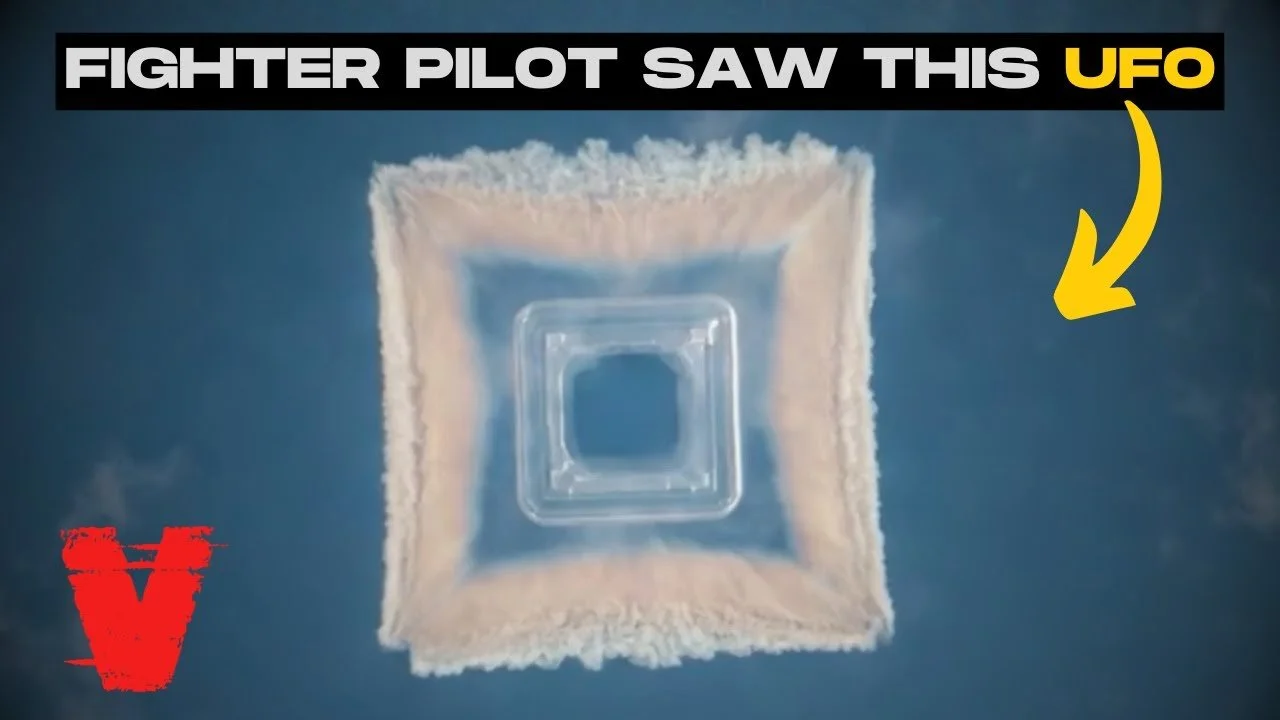
This is the Best Video I've Made in Months
What if one of the world’s most elite fighter pilots told you he’d gone head‑to‑head with something that defied everything he knew about aviation? Former F‑15E combat pilot and F‑16 Thunderbird flyer Ryan “Max Afterburner” reveals his first‑hand encounters with unidentified aerial phenomena—from high‑speed triangle craft near Area 51 to glowing orbs and a mysterious “portal” in the sky. With decades of combat experience and zero interest in hype, Max’s calm, credible testimony cuts through UFO sensationalism and forces a bigger question: what are these objects, and why are the most qualified observers finally speaking out now?
What happens when a battle-tested fighter pilot with decades of expertise breaks his silence about sightings of unidentified aerial phenomena (UAPs)? You get a story that even the most hardened skeptics have to sit up and take seriously. Today, we’re diving deep into the astonishing account of Ryan, aka Max Afterburner—a former F-15E combat pilot and F-16 Thunderbird flyer—who shook the UFO community by finally sharing his experiences with UAPs. Grab your seat, because these aren’t your garden-variety mystery lights in the sky. They’re encounters etched into the memory of a man whose job depended on distinguishing fact from fiction at 20,000 feet.
The Stigma of Speaking Up: Why Fighter Pilots Stay Silent
For years, Max Afterburner kept his jaw-dropping stories to himself. Why? Because talking about UAPs was a sure way to put a target on your back—even for a pilot decorated with 70+ combat missions. That stigma has slowly eroded in recent years, thanks in part to increased media attention and credible pilots stepping into the light. Max’s decision to finally speak out isn’t just about his own catharsis; it’s an invitation for other experts to come forward, free from fear of ridicule.
Max’s credentials are unassailable. With thousands of flight hours, precision air show stunts, and high-stakes military missions under his belt, this is someone who’s trained to assess every threat—whether it’s a missile or something out of this world. When Max says a moment stands out more vividly than flying 600 knots at 100 feet or dodging live ordnance, you know it’s something extraordinary.
Unforgettable Encounters: Dogfights, Orbs, and Portals
So, what did Max see? The stories are the stuff of X-Files legends but with the unflinching clarity of a pilot’s eye. One of his most unforgettable encounters happened during a Thunderbird formation near Nellis Air Force Base, not far from the infamous Area 51. In the middle of a complex maneuver, Max caught sight of a triangle-shaped craft—smaller than a fighter jet but sharper and more aggressive than anything built for civilian airspace. It flew past him at tremendous speed, pulling off a move that, in aerial combat, is meant to rattle your opponent.
The craft had no camouflage, no effort to blend in. Its surface bore what looked like welding marks—reminding Max of a Cybertruck’s unfinished metallic sheen. And while he was the only pilot in his formation to notice, the clarity of his memory decades later speaks volumes. It’s the kind of sighting that leaves pilots wondering if they’ll ever make sense of what they saw, or if others will believe them.
But Max’s triangle wasn’t alone. Over years of flights, particularly off the East Coast, he and other pilots frequently observed orbs—half the size of a car—moving against the wind, impervious to conventional explanations. The phenomenon was so frequent that pilots stopped speculating and simply reported them as routine anomalies. These weren’t random lights or misunderstood birds; the pilots’ targeting pods could track them with uncanny precision. And yes, Max agrees—if these were just ships’ drones, you’d expect them to behave a little more predictably than they did.
And then there was the portal: a massive, glowing square in the sky. Bright white around the edges, fading to clear in the center, it hung in the air with a pulsating energy that neither Max nor the pilot flying beside him could understand. It was so otherworldly that his first thought was of a videogame portal—a door to another dimension.
Reporting the Unexplainable—and Being Taken Seriously
Unlike many who fear ridicule, Max and his fellow pilots did the right thing: they made a formal report to Air Traffic Control about the anomalous square. The response was a mixture of professionalism and shock—ATC operators asked for clarifying details and marked the location for subsequent flights, a rare process for something so unusual.
Notably, these sightings are not isolated single-pilot delusions. The military has released infrared camera footage, like the now-famous Gimbal video, showing strange objects flying against strong winds—validating that advanced sensors sometimes capture what the eye alone can’t. Max’s detailed recollection of seeing similar phenomena on his cockpit displays further underscores the need to take experienced pilots seriously.
Who—or What—Is Behind UAPs? Max’s Thoughtful Theory
When pressed to speculate about the origins of these craft, Max’s theory is as thought-provoking as any. Instead of defaulting to little green men or enemy technological leaps, he wonders if these anomalies could be a kind of future-self intervention: advanced technology sent from a distant, more enlightened future—perhaps even by the U.S. military itself—to prevent catastrophe like nuclear war. While patriotic, this theory stands out for its originality in a field cluttered with tired assumptions.
Importantly, Max is adamant: he does not see these phenomena as a direct threat. With their obvious technical superiority, if these craft meant harm, we’d know it by now. Instead, he believes there may be lessons or benefits to gain from understanding these visitors—whoever, or whatever, they are.
Building Credibility: Why First-Hand Pilot Testimony Matters
Skeptics and believers agree on one thing: separating fact from fiction is a full-time job in the world of UFOs. That’s why Max’s testimony—and that of other credible pilots—matters so much. Unlike sensationalists who rattle off wild stories without evidence, Max tells only what he saw, refuses to exaggerate, and doesn’t claim to have all the answers. His calm, measured approach is exactly what the field needs. Imagine if more pilots, who keep such stories locked away, came forward. The resulting data could change the entire conversation about UAPs.
It’s worth noting these cases are happening not only in the U.S. but worldwide. Every country with a military has its own share of unexplainable encounters, and the lore goes back generations. If disclosure happens, it won’t just be an American story—it’ll be a global one.
From Sightings to Action: The Case for a National Pilot Forum
One suggestion raised is a National Press Club event featuring only pilots—just the facts, just the firsthand accounts, no wild theories. The strength in numbers could force institutions and the public to further recognize the seriousness of these encounters. With credible voices like Max’s leading the charge, such an event could act as a catalyst for broader inquiry and, hopefully, a less stigmatized approach to UAP research.
Wrapping Up: Why These Stories Matter
The rise of credible, level-headed witnesses like Max Afterburner stands in stark contrast to the noise that often overwhelms public discussion about UAPs. Their accounts, grounded in experience and technical expertise, might finally tip the scales towards meaningful understanding—or, at the very least, honest curiosity.
Whether UAPs are future humans reaching back, advanced technology we don’t yet understand, or something altogether stranger, their presence in our skies challenges us to ask better questions and demand more from our institutions. We may not have all the answers, but the voices of people like Max show that honest, thoughtful dialogue is the first step on an extraordinary journey.
So, keep an open mind, follow the credible stories, and remember—every day is a gift, and sometimes, the truth really is out there.

BOMBSHELL: James Fox Releases Ten UFO Testimonies
In January 1996, the quiet Brazilian town of Varginha became the center of one of the world’s most debated UFO encounters. Often called the “Brazilian Roswell,” the incident features chilling eyewitness testimonies—from civilians and medical professionals to military insiders—who describe a crashed craft, non-human beings, and an alleged government cover-up. Nearly thirty years later, the witnesses’ stories remain strikingly consistent, raising urgent questions about secrecy, truth, and what may have truly happened in Varginha.
Few mysteries have gripped a community, and indeed a nation, like the events that unfolded in January 1996 in the small city of Varginha, Brazil. Nearly three decades later, the Varginha incident—sometimes dubbed the “Brazilian Roswell”—remains a subject of passionate debate, whispered secrets, and haunting memories for those involved. The testimonies of ordinary locals, professionals, and even military personnel paint a vivid picture of one of the most compelling UFO encounters in modern history.
An Ordinary Day Turned Extraordinary
“I swear what I am about to tell you is simply the truth, nothing but the truth.” That’s how more than one witness begins their account. For Fábio Furtado, his friend, and several others working on a farm near Três Corações, January 1996 started as any other day. But that normalcy was shattered by the appearance of an aircraft unlike any they had seen before: a cylindrical object, the size of a minibus, moving in ways no known technology could replicate. Furtado remembered how that object zigzagged in the sky and then disappeared behind a hill. The following day, he found a mysterious yellowish mark on the ground—concrete evidence, in his eyes, of something extraordinary.
Carlos de Souza, a geography teacher and ultralight pilot, gave a parallel yet independent account. Witnessing the craft as it spiraled out of control, emitting smoke and ultimately crashing, Carlos rushed to the scene. The material he found defied explanation—light as aluminum foil, but able to return to its original shape after being crushed. Before he could investigate more, he was confronted and threatened by military personnel. Later, men in black visited him, issuing a grave warning to keep quiet.
Face-to-Face with the Unknown
As news of the crash spread, more witnesses emerged. On January 20, Liliane Silva and her friends, Kátia and Valquíria, stumbled upon a being unlike any they had ever imagined. Hiding near a wall, the creature had slick brown skin, glowing red eyes, and pronounced veins—its appearance both frightening and strangely pitiable. Panic and confusion set in as the girls locked eyes with the entity, feeling not only their own fear but also an inexplicable empathy for what they perceived as its suffering.
Kátia, one of the trio, remains profoundly affected to this day, haunted by her decision not to help. Valquíria echoed this sentiment, insisting that the encounter changed her forever. Soon after, Liliane’s mother, Luía Helena, visited the location and found a strange three-toed footprint and a pungent odor that lingered for weeks. Even she, a skeptic, was visited by four men in black who tried to persuade her to silence her daughters in exchange for an odd fortune. She refused, unsettled by their accents and their odd mannerisms.
A City Silenced—and Determined
The web of secrecy thickened, as recounted by journalist Ni Nadeia. When he attempted to investigate, he was stopped by soldiers, and colleagues were threatened with arrest if they pressed government officials for answers. The media’s attempts to report the truth were repeatedly stifled; a narrative about a routine military exercise was quickly disseminated to the public. Yet, as Ni pointed out, the energy on the ground told a far different story: soldiers calling to “surround” the area, frantic scurrying in the woods, and a community left to wonder if the truth was much, much stranger.
New Perspectives: Medical and Military Insights
Dr. Ítalo Denell Venturelli, a seasoned physician, was summoned to attend to a mysterious patient. He described a calm, non-human being—a childlike entity with a large, droplet-shaped head and unique eyes. Despite the atmosphere of anxiety among those present, the being seemed to radiate an intelligent serenity, its presence too surreal to dismiss as fantasy. Dr. Venturelli emphasized that this was not a tale for personal gain but an honest account of what he saw: an encounter that could redefine humanity’s place in the cosmos.
Testimony from a member of the military confirmed details long whispered in Varginha. According to this eyewitness, the being was transported from Varginha to Três Corações, then to Campinas, where it allegedly came under foreign—possibly American—authority. The implications were chilling: the incident, rather than being an isolated misunderstanding, had triggered an international response and a campaign of suppression and misinformation.
Unanswered Questions and Unending Grief
The human toll of the incident is perhaps best illustrated by Marta, whose brother, Marco, was involved in the capture of the being and died under unexplained circumstances soon after. Her plea is simple and poignant: that people come forward, not with fantasy, but with the truth. For her and many others, the pain of loss is entwined with the frustration of unanswered questions. They seek not to sensationalize, but to heal—through honesty, transparency, and, hopefully, eventual closure.
The Call for Truth
After nearly thirty years, the Varginha incident refuses to fade. Its witnesses have not changed their stories and remain unwavering in their accounts, despite mockery and intimidation. Their collective demand is clear: let the truth be known, whatever it may be. The stories of 1996 are more than tales of the extraordinary—they are human stories, marked by courage, loss, curiosity, and, above all, a fervent hope for understanding.
One cannot help but be drawn into the unresolved tension of Varginha’s mystery: did something unearthly truly visit this Brazilian town? For witnesses and investigators alike, the answer is yes—and they continue to fight, not for spectacle, but for the integrity of the truth. Whether you are a skeptic or a believer, their stories challenge us to question, to listen, and to remember that sometimes, the most important discoveries begin with someone daring to speak up—no matter the cost.
Jacques Vallee Comes Clean About UFOs in NEW VIDEO
What if the biggest breakthroughs in UFO and UAP research aren’t hidden in classified bunkers—but buried within decades of overlooked, multinational data? Drawing on the work of pioneering researcher Jacques Vallée, this article explores how declassified archives, international case studies, and open scientific collaboration could radically transform our understanding of unexplained aerial phenomena. From consistent eyewitness accounts across continents to compelling physical and biological evidence, the case for transparency has never been stronger. Unlocking these global archives may not only reshape UFO research—but redefine what we know about science, intelligence, and our place in the universe.
In the realm of UFOs and UAP (unidentified aerial phenomena), public curiosity often outpaces official revelations. Every new leak, testimony, or declassified document fuels a fire of intrigue. But what if the real answers aren’t hiding behind science fiction but in vast, meticulously kept archives—databases filled with credible, multinational reports, physical evidence, and eyewitness accounts just waiting for a more open, global conversation? This is the call to action voiced by Jacqu Valet, a pioneering scientist whose work bridges decades of investigative research and international cooperation on some of the most confounding UFO cases in history.
Opening the Vault: A New Era for UFO Research
For years, data regarding UFO and UAP sightings—objects in the sky no one could explain and unusual creatures reported alongside them—have been tightly controlled, segmented by various government and defense organizations around the world. Valet, with clearance granted to just a handful of scientific teams, stood at the crossroads of this secrecy. He helped shape a multiple-database warehouse, originally for a program sponsored by the Defense Intelligence Agency and Bigelow Aerospace, tracking an astonishing 260,000 screened reports of unexplained objects and hundreds involving alleged encounters with non-human entities.
But what makes Valet’s insights pivotal isn’t just the scale of this data. It’s the continuity and corroboration of reports from far-flung places—Brazil, France, New Mexico—where witnesses and physical evidence tell remarkably consistent stories. He describes on-site research into historical incidents, from the San Antonio crash of 1945 and Socorro’s 1964 landing in New Mexico, to a 1965 case in Valensole, France. Across these and other events, observers described seven creatures with similar shapes and sizes, mirroring those encountered in the now famous 1996 Varginha incident in Brazil. These sightings share one particular detail: the creatures breathed air just like us.
Consistent Evidence Across Continents
What is perhaps most striking is the physical, environmental, and biological evidence that emerges from these multinational cases. Traces recovered at sites include samples and effects consistent with the presence of advanced technology and life unlike anything on Earth. Official records from France’s own space studies authority (CNES), an organization with which Valet is personally affiliated, support the assertion that non-human occupants have been observed and investigated—not just by armchair theorists but by government-backed scientific panels.
And yet, for all these findings, so much of the record remains classified or fragmented across agencies, making true scientific consensus—and the potential leaps in understanding it could bring—impossible.
The Significance of the Varginha Incident
Among all the cases Valet reviews, the Varginha incident stands out as historically transformative. Painstakingly investigated by James Fox and others, it provided for the first time a comprehensive, professional account of an entity apparently non-human, detailing its physiological features and behaviors shortly after its recovery and up to its death. The Varginha case, far from being an isolated oddity, fits into a larger, persistent pattern reflected in both scientific and medical records across the globe.
Valet stresses that the most valuable aspect of Varginha is this: It offers a blueprint to reconstruct past events with an unprecedented level of detail and context. By combining witness testimony, environmental forensics, and multinational collaboration, researchers unlock a depth of knowledge once thought unattainable.
Why Secrecy Still Holds Us Back
Despite mounting evidence and growing public appetite for disclosure, the current system of classification around UFO data creates artificial barriers. Political and national security concerns are understandable, especially regarding sensitive installations, but Valet argues for a measured loosening of these restrictions. He advocates for protecting essential facilities while allowing vetted researchers greater access to crucial data. This would enable a truly global dialogue among scientists—one that could help humanity understand not just the craft and their visitors, but the greater implications for intelligence, technology, and perhaps even the future of our species.
Looking Ahead: A World-Changing Opportunity
The pressing message is simple: The world stands to gain immeasurable insight by opening up its UFO archives. Allowing more international cooperation and data sharing wouldn’t just satisfy curiosity—it could revolutionize our grasp of biology, physics, artificial intelligence, and consciousness itself. The time for withholding and segmentation, Valet suggests, has passed. Only by inviting a broader spectrum of the scientific community to scrutinize the evidence can we hope to make sense of what may be the greatest mystery of our time.
In conclusion, Jacqu Valet’s lifelong dedication to serious, data-driven investigation of UAPs and entities associated with them shines a light down a path we could all choose to walk. Science, openness, and collaboration are the keys. If we are willing to unlock the door, the world that waits beyond it could be far more incredible than anything hidden away in dark government vaults.